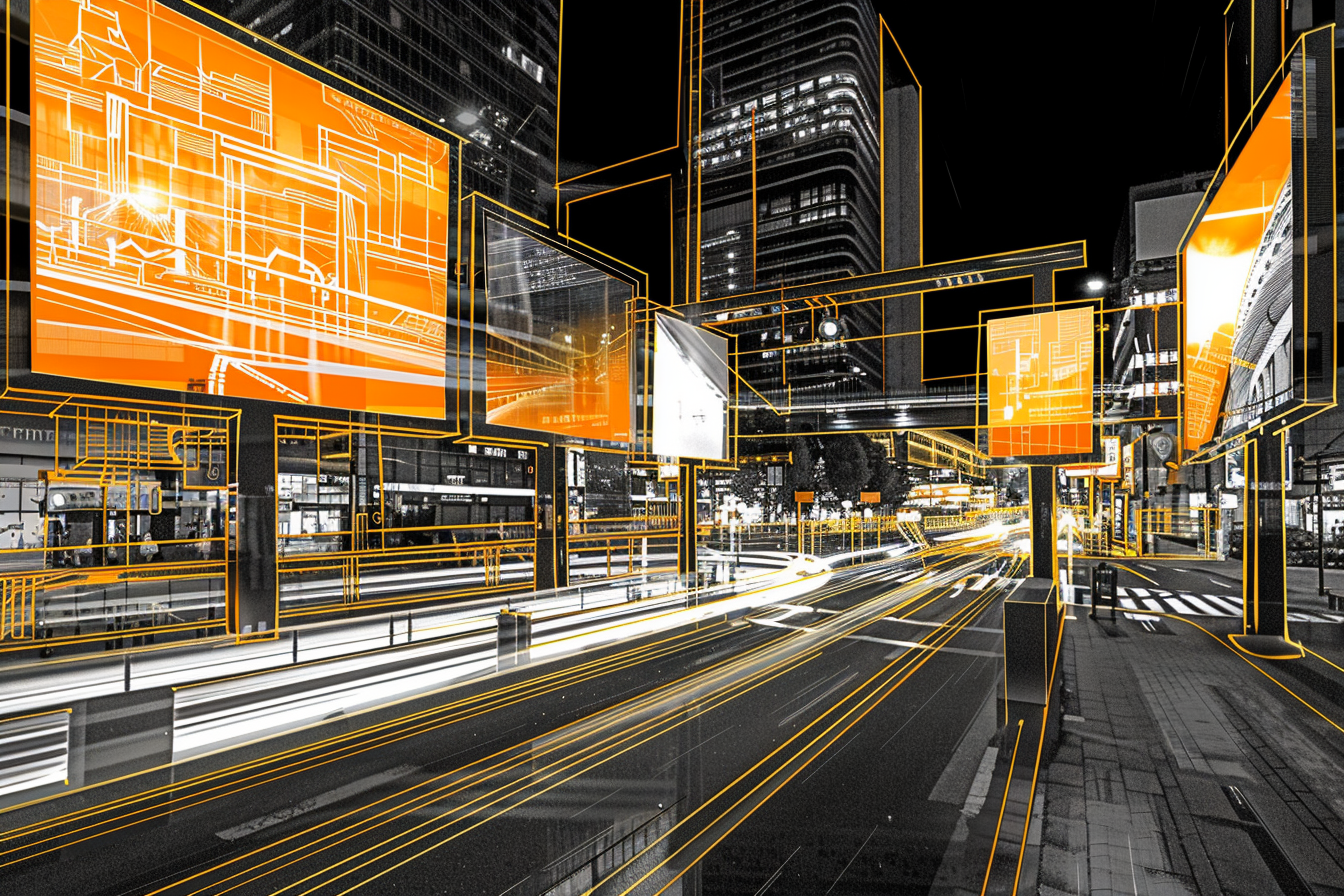
In post-disaster and postwar reconstruction, “landscape” (urban aesthetics) is often treated as a secondary concern—something to be addressed after housing and infrastructure. This article argues the opposite: landscape quality functions as an operational recovery indicator that shapes whether residents return, businesses reopen, and capital reinvests. Elements such as color palettes, material choices, outdoor advertising controls, and nighttime lighting are not decorative add-ons but signals of safety, governance capacity, and everyday livability. People decide to return based on perceived normalcy: continuous walkable routes at night, coherent signage, active storefront lighting, and maintained public space communicate that the city is functioning. Investors and operators likewise respond not only to demographic and policy data but to on-site confidence—an intuitive assessment that the district “runs” across the full day-night cycle. Nighttime lighting is especially pivotal: beyond crime prevention, it enables the night economy and extends dwell time, supporting retail, food services, and cultural activity. Outdoor advertising should be understood as an information layer that can either degrade trust through visual noise or raise circulation through legible, coordinated rules (height, brightness, typography, and color temperature). To future-proof recovery, this article proposes a simple KPI framework—Color, Materials, Advertising, and Light—tracked by district and linked to mobility, vacancy, and rental indicators. By integrating landscape into phased reconstruction (emergency → interim → permanent), cities can accelerate social return and investment readiness, transforming “beauty” into a practical lever of urban resilience and competitiveness.