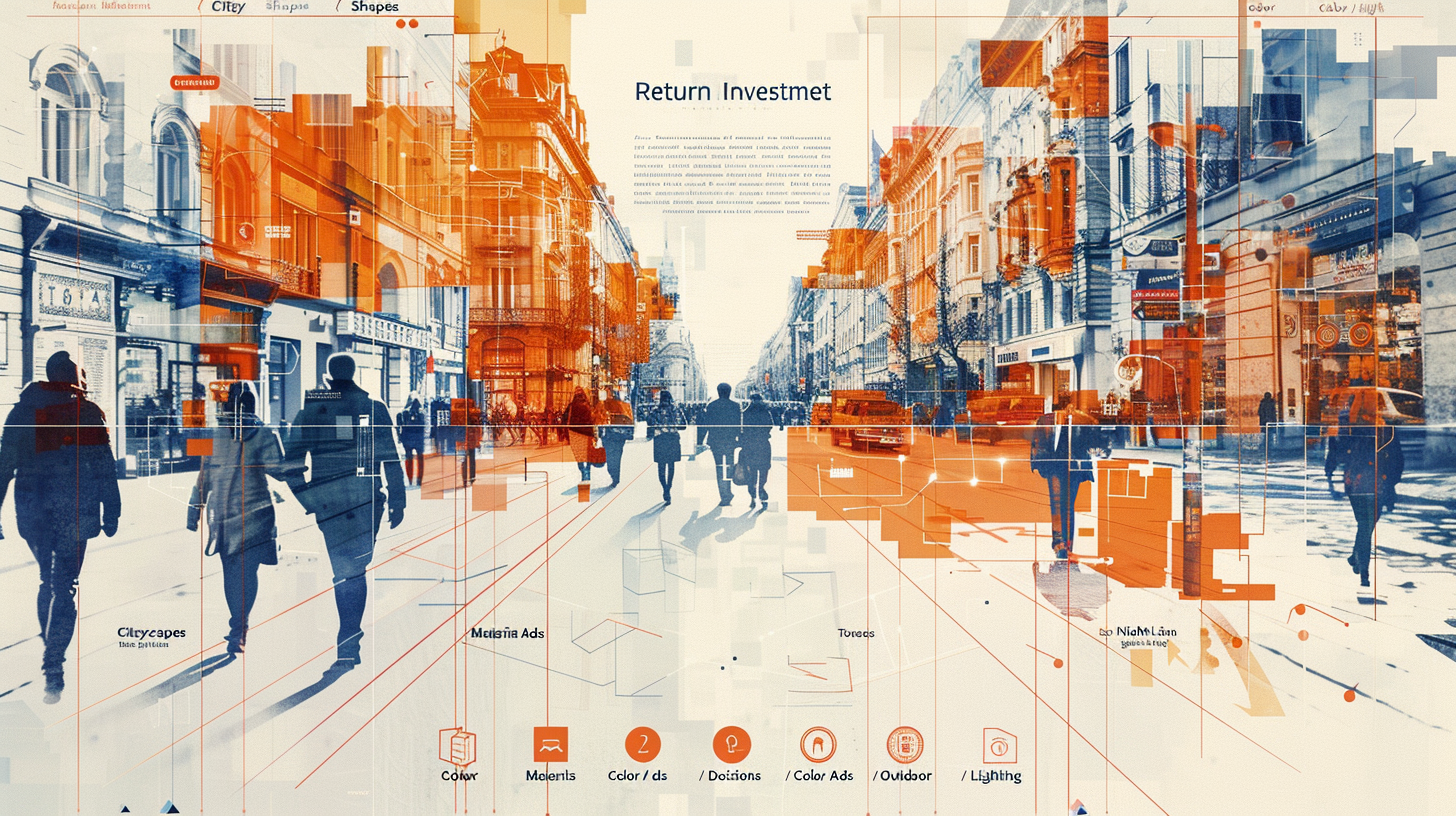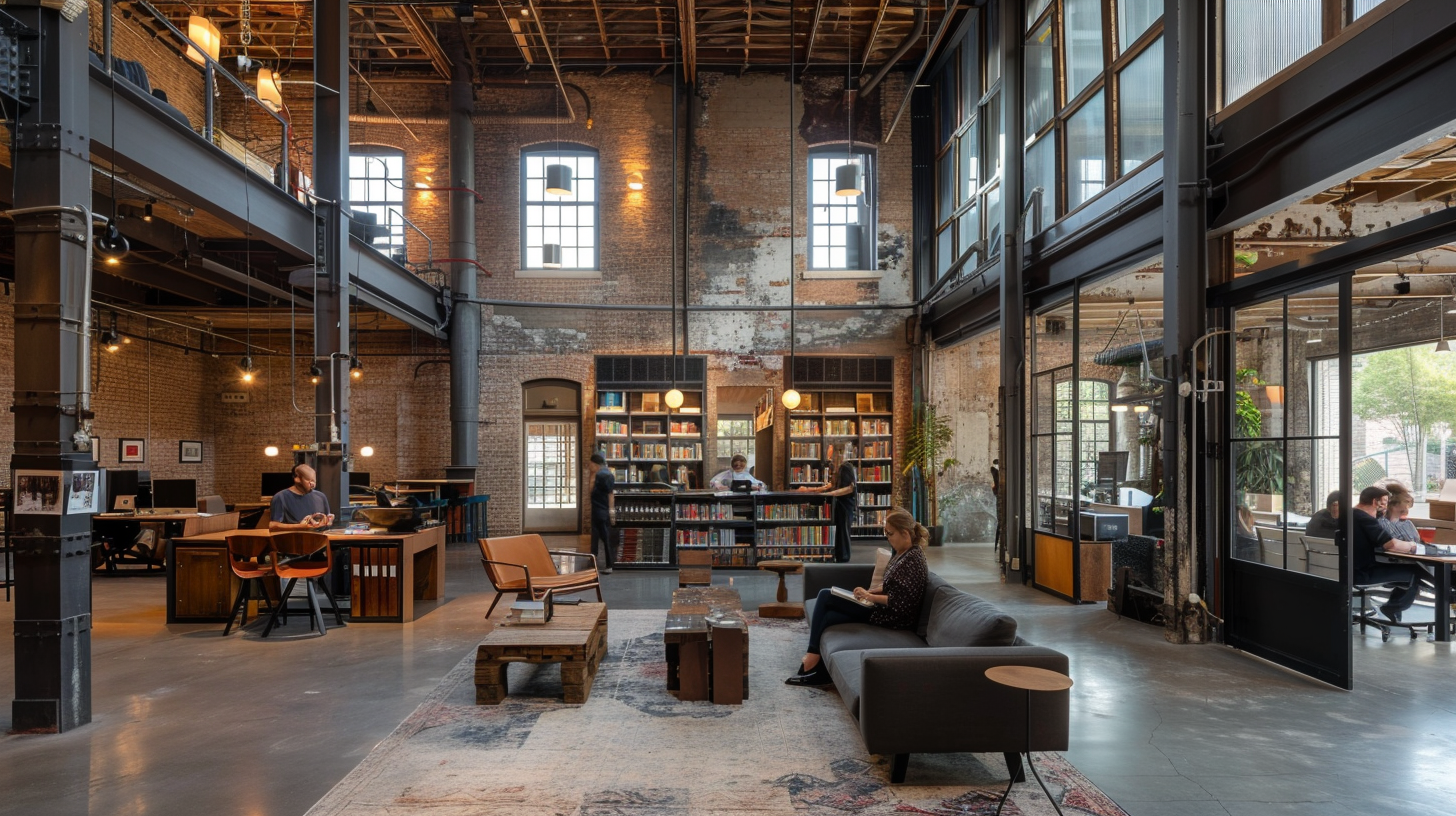
Postwar reconstruction cities often achieved rapid, resilient growth under conditions of extreme scarcity and institutional disruption. This paper asks whether the underlying logic of postwar recovery can be translated into contemporary “future city” agendas—those centered on decarbonization, resilience, inclusivity, and digital infrastructure. Building on historical reconstruction experiences and policy literatures, the paper proposes five conditions that enable a reconstruction city to evolve into a future city: (1) infrastructure that shifts from capacity restoration to redundancy and upgradability; (2) housing policy designed as a platform for livelihood recovery rather than a narrow supply metric; (3) industrial revival reframed from factory restart to the reconfiguration of an urban industrial ecosystem; (4) institutional design that produces decision-making speed while maintaining transparency and legitimacy; and (5) culture as an operating system for urban identity, return migration, and long-term investment. The argument emphasizes “simultaneous design” across these five axes: postwar success was not driven by a single sector, but by coordinated, mutually reinforcing reforms in the urban skeleton (transport and utilities), the settlement system (housing and services), the economic engine (industry and logistics), the governance apparatus (laws, planning tools, and intergovernmental coordination), and the narrative of place (memory, landscape, and civic meaning). Translating this logic to present conditions requires updating each axis for contemporary constraints—climate risk, energy transition, demographic change, fiscal sustainability, and data governance—while preserving the core reconstruction capability: the capacity to recompose the city’s physical and institutional structure at speed. The five-condition framework provides a practical lens for planners and policymakers seeking to align recovery programs with future-oriented urban transformation, arguing that “future cities” are less a showcase of novel technologies than a durable governance-and-design competence to rebuild, upgrade, and legitimize urban change over time.
1. Introduction
Why did some postwar reconstruction cities manage to grow quickly and robustly, rather than merely return to a prewar baseline? Standard explanations emphasize physical rebuilding—clearing debris, restoring roads, and restarting utilities. Yet historical reconstruction often succeeded because it also rebuilt *systems*: governance, housing pathways, industrial organization, and civic legitimacy. This paper reframes the question for contemporary urban agendas: can a reconstruction city become a “future city,” and under what conditions?
Here, “future city” does not mean a technology spectacle. It refers to an urban trajectory that combines resilience, decarbonization, social inclusion, and adaptive capacity—supported by institutions that can update the city over time. Drawing on postwar recovery documentation and related policy literature, the paper proposes five conditions—Infrastructure, Housing, Industry, Institutions, and Culture—that jointly enable reconstruction to become sustained transformation (Hiroshima Prefecture, n.d.; JICA, n.d.).
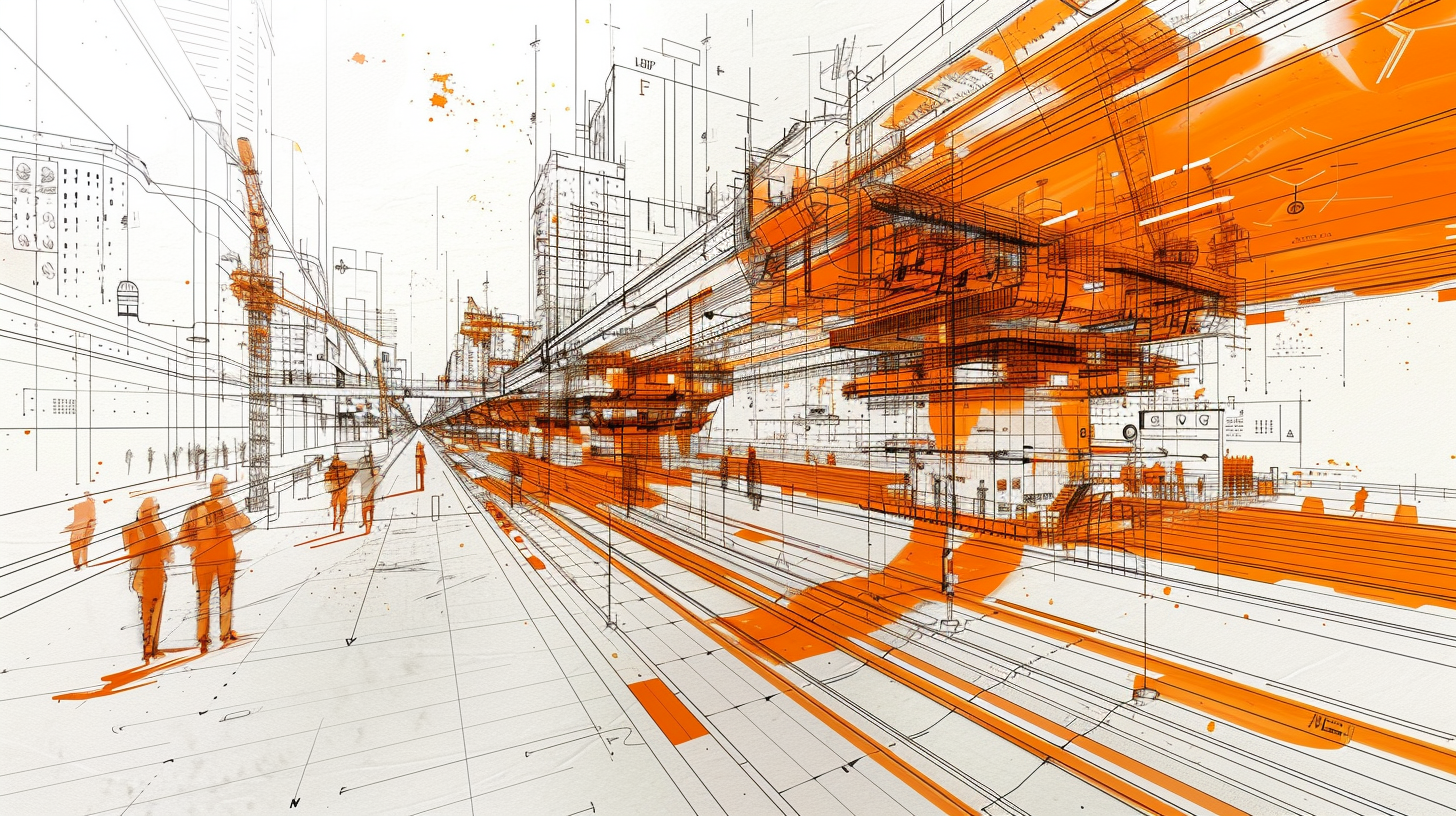
2. Condition 1: Infrastructure—From Restoration to Redundancy and Upgradability
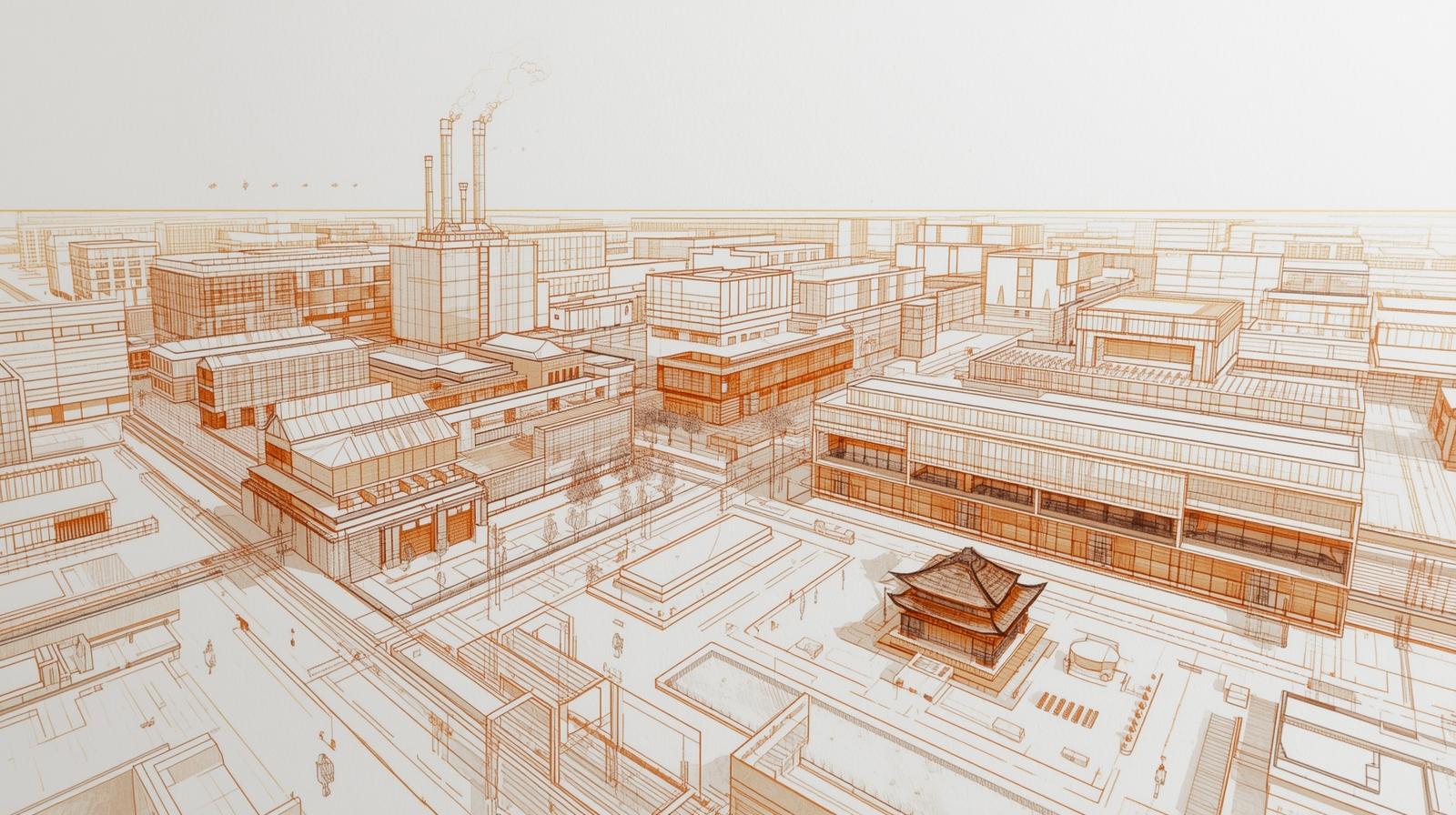
Postwar infrastructure programs prioritized rapid functional restart: transport corridors, water and sanitation, electricity, ports, and rail. The central objective was to re-enable mobility, public health, and logistics at city scale. For contemporary future-city goals, however, capacity alone is insufficient. Infrastructure must be designed for **redundancy** (backup pathways during shocks) and **upgradability** (modular renewal without wholesale disruption).
Land readjustment and related urban replotting tools historically served as powerful mechanisms to reconfigure the urban skeleton—widening streets, consolidating parcels, and enabling coordinated rebuilding where fragmented ownership could otherwise stall recovery (JICA, n.d.). The future-city translation is straightforward: the same “recomposition capacity” is needed today, but aimed at distributed energy, resilient networks, and data-ready corridors. In short, reconstruction-era methods that restructured space can be repurposed to restructure *systems*.
- Condition 2: Housing—From Unit Counts to Livelihood Recovery Platforms
Housing policy in reconstruction is often misread as a numbers problem. In practice, housing acted as a **livelihood recovery device**: it anchored labor supply, stabilized families, and enabled schooling and healthcare access. Japan’s large-scale public housing experiments, including the development of *danchi*, illustrate how housing supply could also encode new living standards and urban lifestyles (ArchDaily, 2020).
A future-city housing agenda extends beyond quantity to four practical criteria: affordability and rent burden; adaptability to diverse households (single-person, multi-generational, and mobile populations); high-performance building envelopes for energy and health; and deep integration with daily services and mobility. Evidence from housing and sustainability scholarship supports the view that housing quality and environmental performance are central to long-term resilience and equity (Wiley, n.d.). Housing becomes a platform: not only shelter, but the interface between people and the city’s opportunity structure.
- Condition 3: Industry—From Restarting Production to Reconfiguring Urban Ecosystems
Postwar growth was strongly linked to industrial revival and trade expansion. But a future-city perspective must treat industry as an **ecosystem**, not a set of factories. It includes logistics, skills pipelines, supplier networks, energy inputs, and governance rules that shape competitiveness.
European recovery narratives highlight how reconstruction periods often paired industrial policy with broader regional and international coordination, creating conditions for sustained economic rebuilding rather than short-term restart (CEPR, n.d.). Translating this to current constraints means aligning industrial redevelopment with circular economy principles, supply-chain resilience, and low-carbon energy. Urban form and industrial policy become inseparable: ports, freight corridors, research clusters, and digital infrastructure must be co-planned to sustain productivity without undermining climate and equity targets.
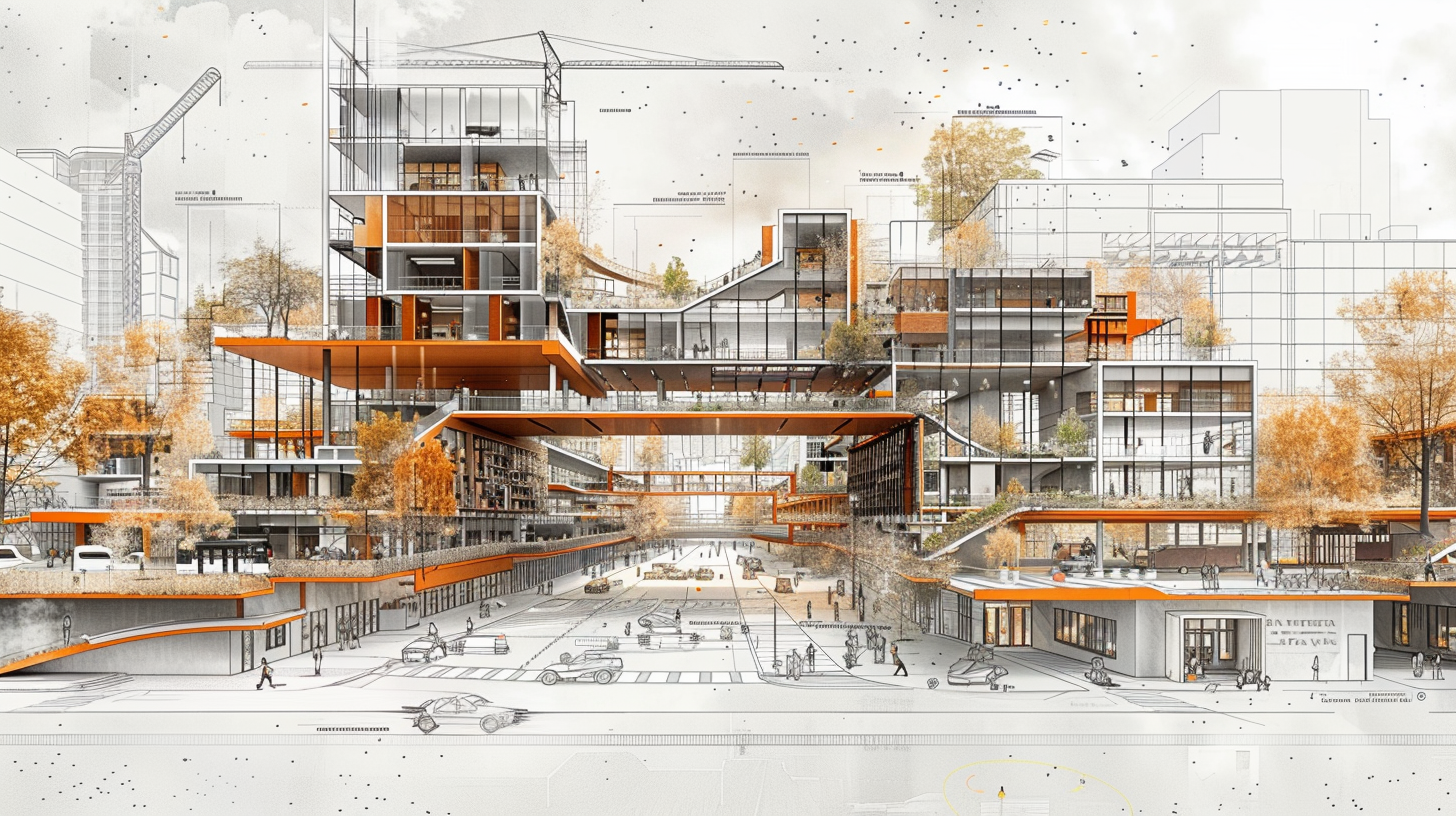
- Condition 4: Institutions—Speed with Legitimacy
Reconstruction is frequently constrained less by engineering than by **coordination**: rights, boundaries, compensation, relocation, and political legitimacy. Postwar recovery frameworks demonstrate the importance of institutional architectures that enable rapid decisions, clear authority, and multi-level coordination (Hiroshima Prefecture, n.d.).
For future cities, the institutional challenge becomes “speed *and* legitimacy.” Four design requirements follow: (1) rules that accelerate rights adjustment while protecting due process; (2) transparency through open data and auditable decision trails; (3) risk-sharing mechanisms for public–private collaboration; and (4) life-cycle fiscal planning that funds maintenance and renewal, not only capital expenditure. UNESCO’s documentation of Berlin’s postwar urban landscape underscores that recovery is often prolonged and layered—demanding institutions capable of sustained renewal rather than one-off rebuilding (UNESCO, n.d.).
- Condition 5: Culture—Urban Identity as an Operating System
Culture is often treated as decoration, yet it can function as an “urban operating system” that motivates return migration, investment, and collective endurance. Memory, landscape, public space, and shared narratives shape why residents choose to rebuild *here* rather than elsewhere. Reconstruction histories in places such as Hiroshima suggest that identity and civic meaning can be integral to the legitimacy and direction of rebuilding (Hiroshima Prefecture, n.d.).
For future-city transformation, culture provides the long-run stabilizer: it clarifies what must be preserved and what can be updated. This includes stewardship of traces (place names, monuments, preserved structures), a coherent visual and spatial language for public realms, and the cultivation of creative and educational institutions that renew the city’s human capital. Without cultural legitimacy, technological modernization risks becoming socially brittle.
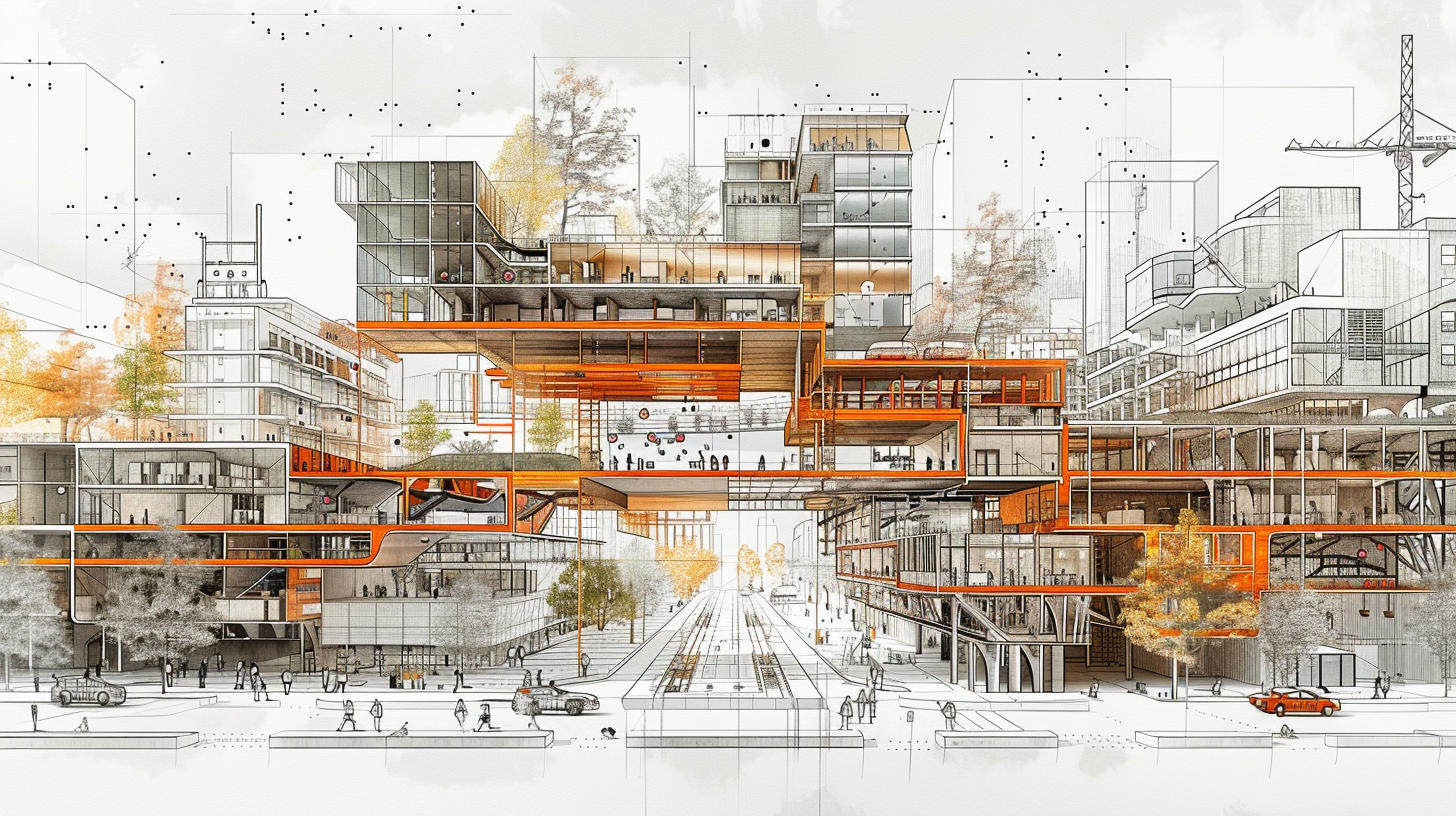
- Discussion: The Core Mechanism—“Simultaneous Design”
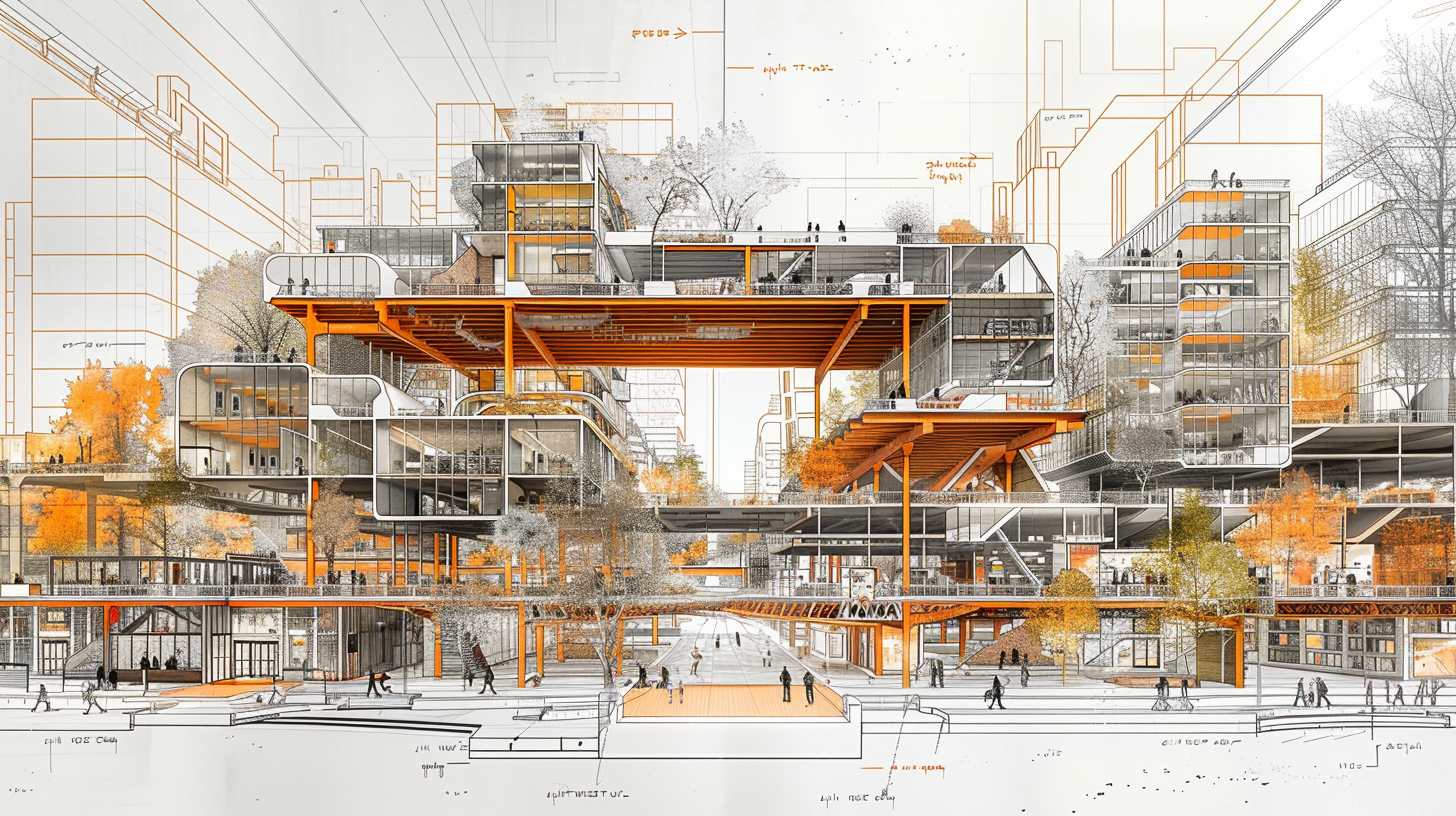
The five conditions share one core mechanism: **simultaneous design**. Postwar successes were rarely attributable to a single sector. Rather, cities grew when infrastructure, housing, industry, institutions, and culture were recomposed in mutually reinforcing ways. Future-city transformation requires the same coordination, updated for modern constraints: climate risk, demographic change, energy transition, digital governance, and fiscal sustainability.
Accordingly, “future city” should be defined less by the novelty of its technologies than by its durable capacity to rebuild and upgrade the city’s physical and institutional structure—rapidly, transparently, and with cultural legitimacy.
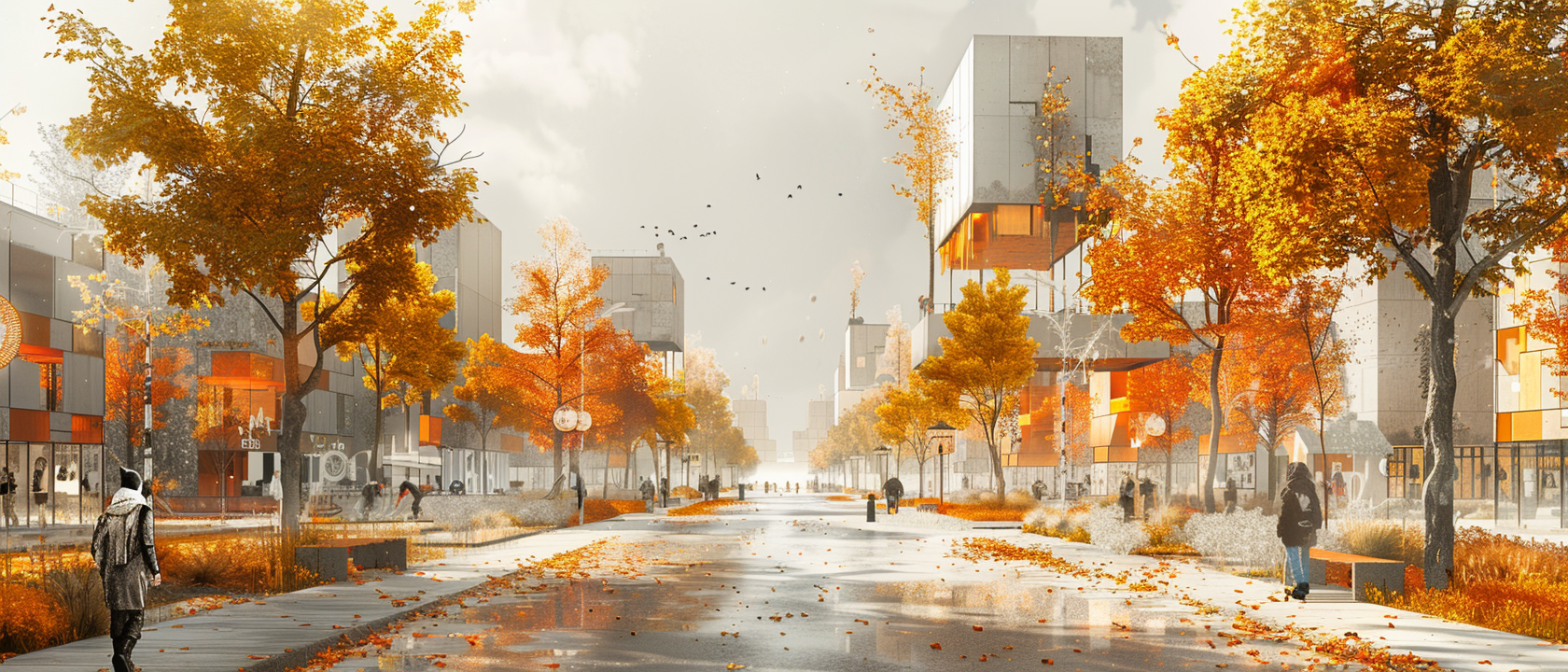
- Conclusion
A postwar reconstruction city can become a future city if it preserves the reconstruction-era competence to restructure the city as a system—while updating each axis to contemporary goals. The proposed framework offers five conditions that policymakers and planners can use to evaluate whether recovery programs are merely restoring capacity or building adaptive, inclusive, low-carbon urban futures.
Reference (main)
- ArchDaily. (2020). *The rise and fall of Danchi: Japan’s largest social housing experiment*. ArchDaily.
- CEPR. (n.d.). *Recovery and reconstruction in Europe after WWII*. VoxEU/CEPR.
- Hiroshima Prefecture. (n.d.). *[Document on Hiroshima’s postwar reconstruction / related policies]