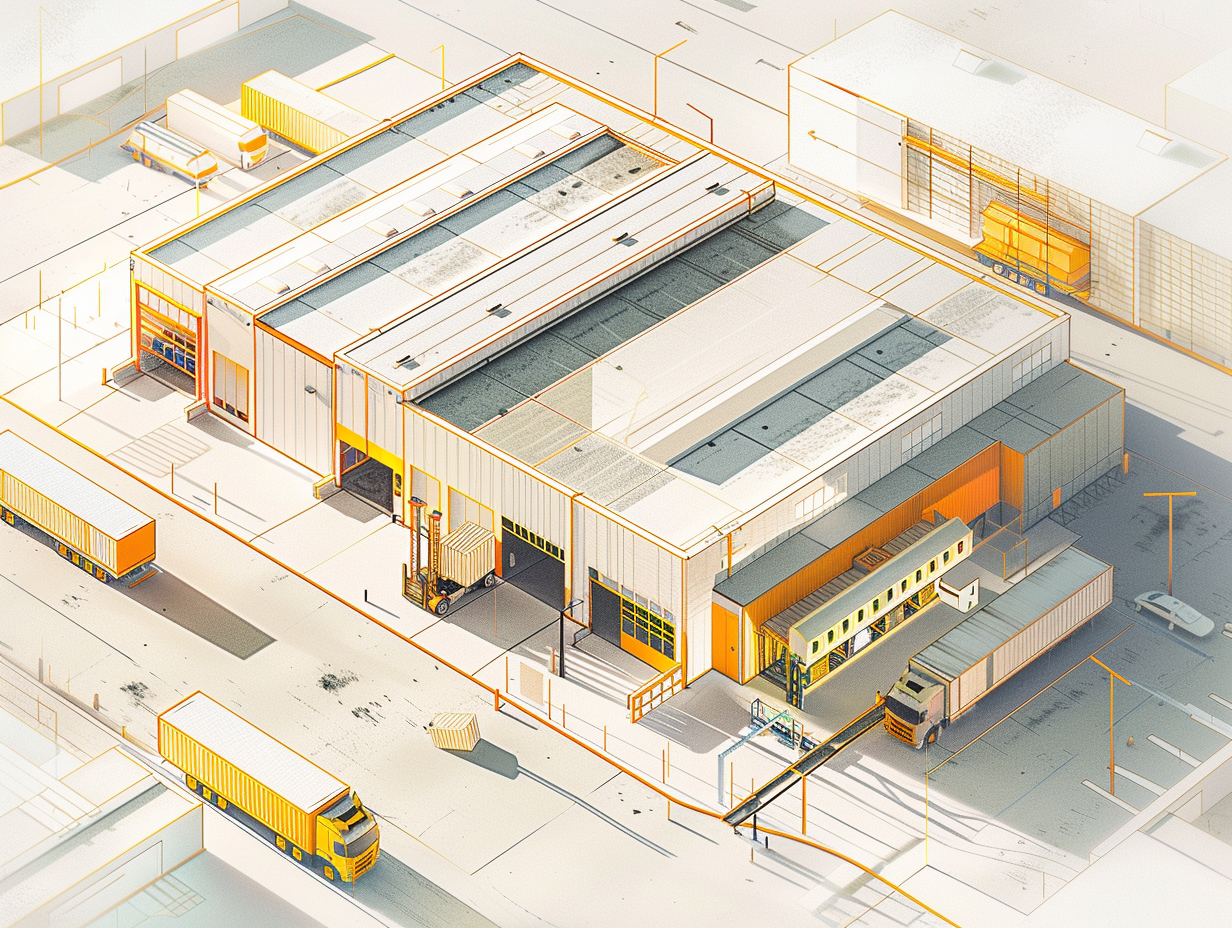
Post-war reconstruction has long been framed as a problem of housing and infrastructure provision. Yet field evidence from major disasters shows that the decisive bottleneck is logistics: the ability to restore continuous flows of relief supplies, fuel, medical goods, construction materials, skilled labor, and operational information. When these flows stall, debris removal, temporary housing, and permanent rebuilding all slow or stop. This article reframes logistics as core urban infrastructure and translates lessons from Japanese disaster response into an actionable design agenda for “future cities.” It argues that resilient recovery requires redundancy across modes (ports, rail, roads, and aviation), not single-corridor dependence, and that cities must be planned for rapid pivot from efficiency-optimized, just-in-time operations to surge-oriented emergency distribution. The paper proposes five design priorities: (1) protect the recovery “gateway” by embedding port business continuity into facility and hinterland plans; (2) reposition rail corridors and stations as material arteries, enabling temporary freight handling and transfer; (3) secure emergency road networks as a mesh, hardening chokepoints such as bridges and intersections and predefining traffic control for the last kilometers; (4) design logistics hubs for throughput, separating high-handling facilities from high-storage facilities and ensuring power, communications, sanitation, and worker support; and (5) treat information as an urban operating system by integrating demand, inventory, and route status to reduce mismatch. By centering logistics in reconstruction planning, cities can accelerate recovery while strengthening everyday competitiveness and investment attractiveness. The framework applies to post-war rebuilding and contemporary crises, offering checklists and metrics for designers and operators.