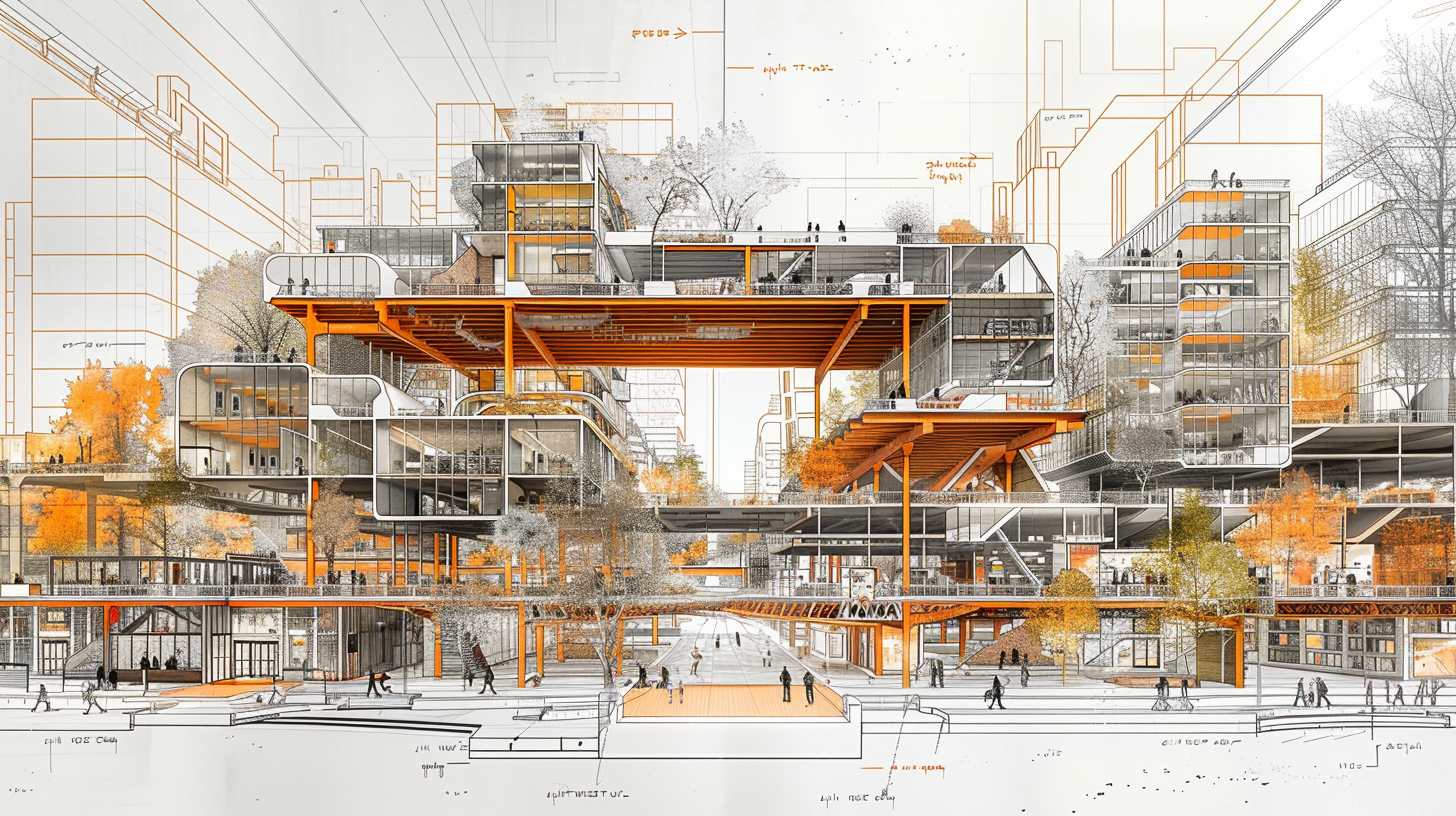
Post-war urban recovery begins not with buildings, but with the “lifelines” that allow a city to breathe: water, electricity, and transport. These systems are tightly interdependent—water requires power for pumping and treatment; power depends on fuel logistics and safe access; logistics depend on passable roads, bridges, and controlled nodes. If any link fails, hospitals cannot function, sanitation collapses, and economic activity stalls. This manuscript proposes a practical, field-oriented framework for rebuilding these lifelines through three sequential phases: Emergency, Transitional, and Permanent.
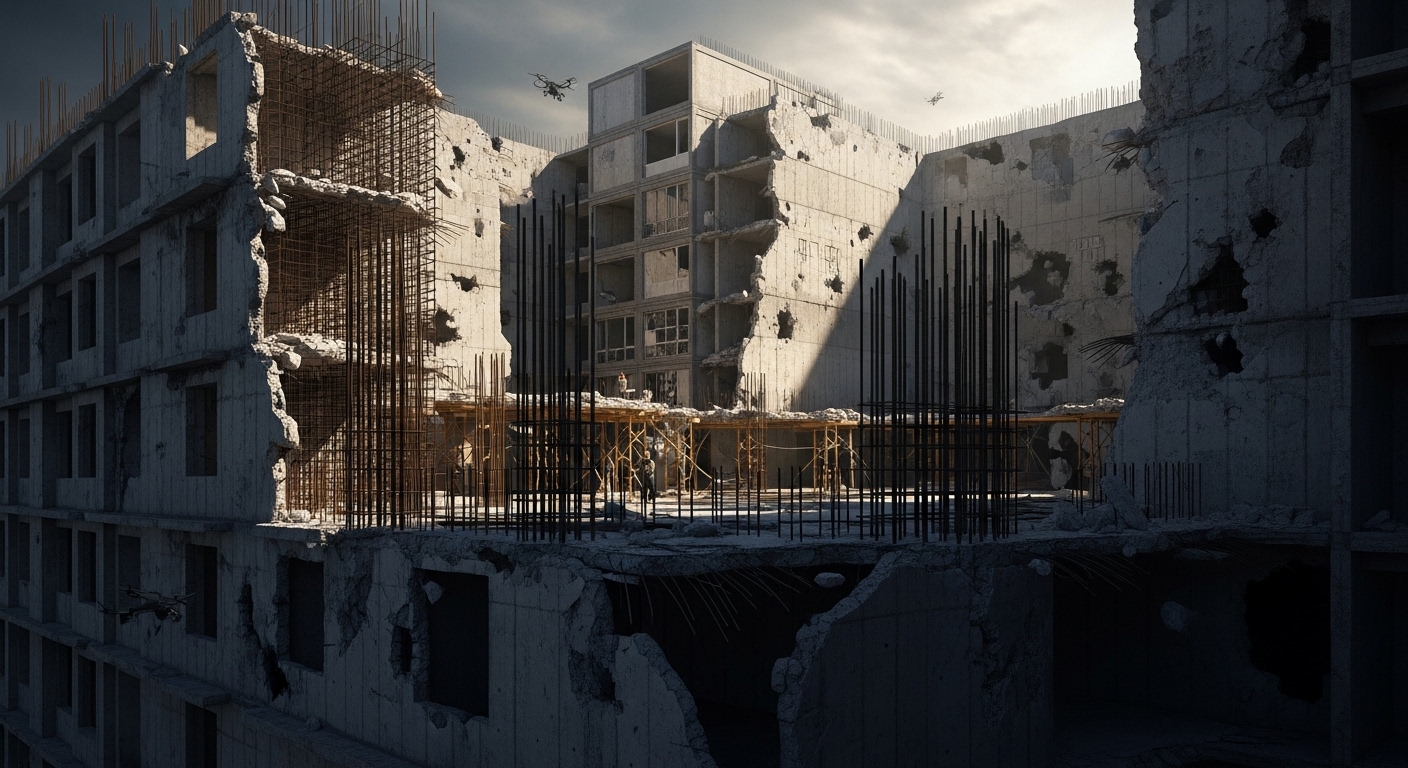
In the Emergency phase (days to weeks), the objective is survival and public health. Rather than restoring full networks, responders should focus on point-based service: safe drinking water distribution (tanks, trucks, disinfection), minimum sanitation (toilets, handwashing, waste handling), and power for critical loads (hospitals, communications, water pumps, safety lighting). Transport work concentrates on “emergency corridors”—clearing debris, stabilizing key bridges, and ensuring access to hospitals, shelters, water sources, fuel depots, and command centers. Success metrics emphasize reach and reliability (liters per person, travel distance to water points, continuity of critical power), not system efficiency.
In the Transitional phase (weeks to years), the goal shifts to restarting urban life—schools, clinics, markets, administration, and routine mobility. Here, temporary systems must be redesigned to withstand real operations: water restoration proceeds by small, isolated pressure zones with monitoring points to prevent contamination; electricity relies on distributed generation and microgrids that can later connect to the restored grid; transport prioritizes bottlenecks (bridges, intersections, tunnels), partial rail operation where feasible, and flexible bus routes that reconnect housing to jobs. The key rule is “temporary must not obstruct permanent”: transitional works should be compatible with future standards, easy to remove, and designed around planned permanent connection nodes.
In the Permanent phase (years to decades), recovery becomes renewal. Instead of rebuilding the pre-war city as-is, investments should embed resilience: diversified water sources, district metering and isolation, asset management and maintenance capacity; grid redundancy, prioritized supply for essential services, updated demand forecasts tied to population return and industrial revival; and transport as a tool for reshaping urban structure, favoring efficient public transit and maintainable corridors. Governance and procurement also mature: emergency shortcuts must transition to transparent, accountable systems.
The manuscript concludes that urban recovery is the technique of restoring the city’s “metabolism.” A cross-sector “minimum service package” (water–power–transport) should be planned and delivered as a single integrated program across the three phases, enabling a safe, stable, and ultimately more resilient city than before.
Reference (main)
International Committee of the Red Cross (ICRC). Urban services during protracted armed conflict: A call for a better approach to assisting affected people (2015).
UN-Habitat. Sustainable Reconstruction Framework (SRF) (2023).
UNDP. Sustainable Reconstruction Framework (2023).
World Bank. Disaster Recovery Framework Guide (2020).