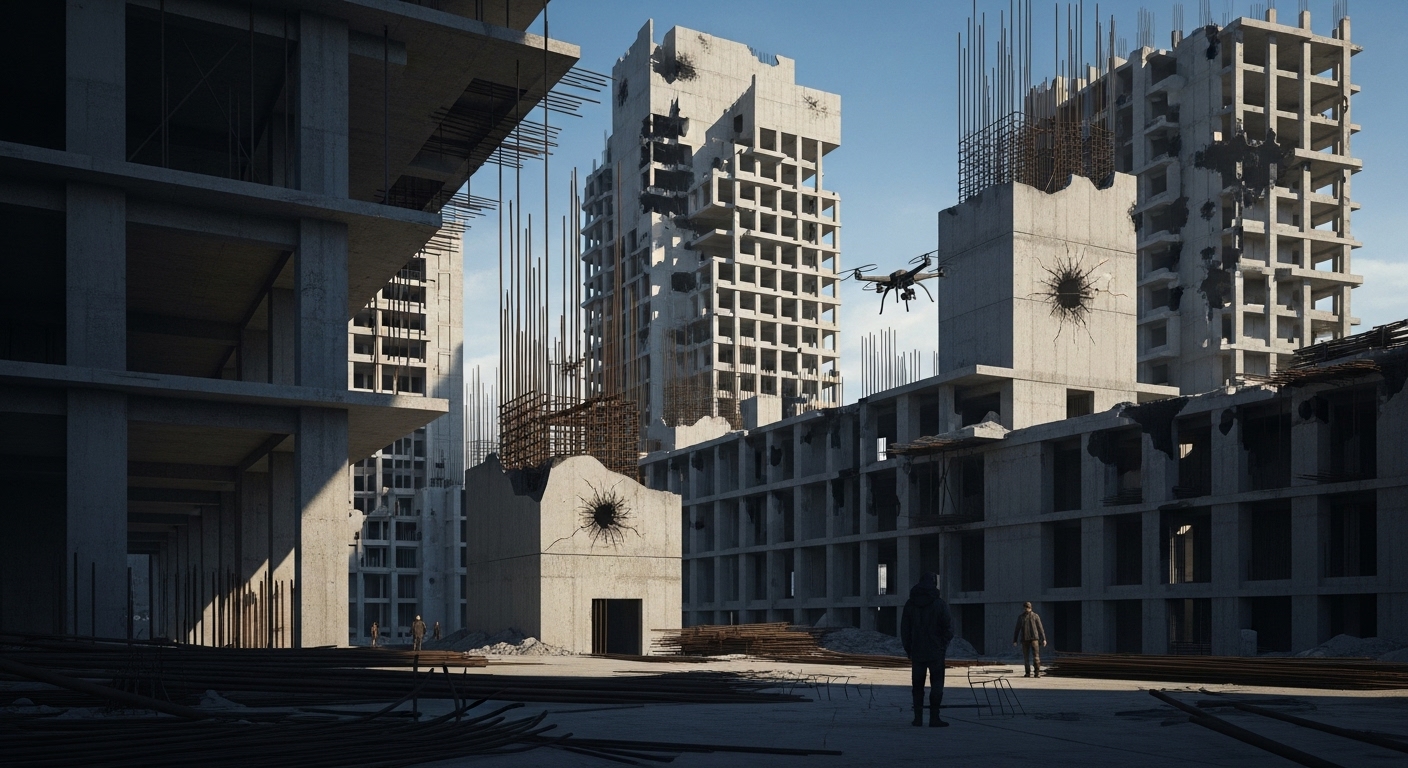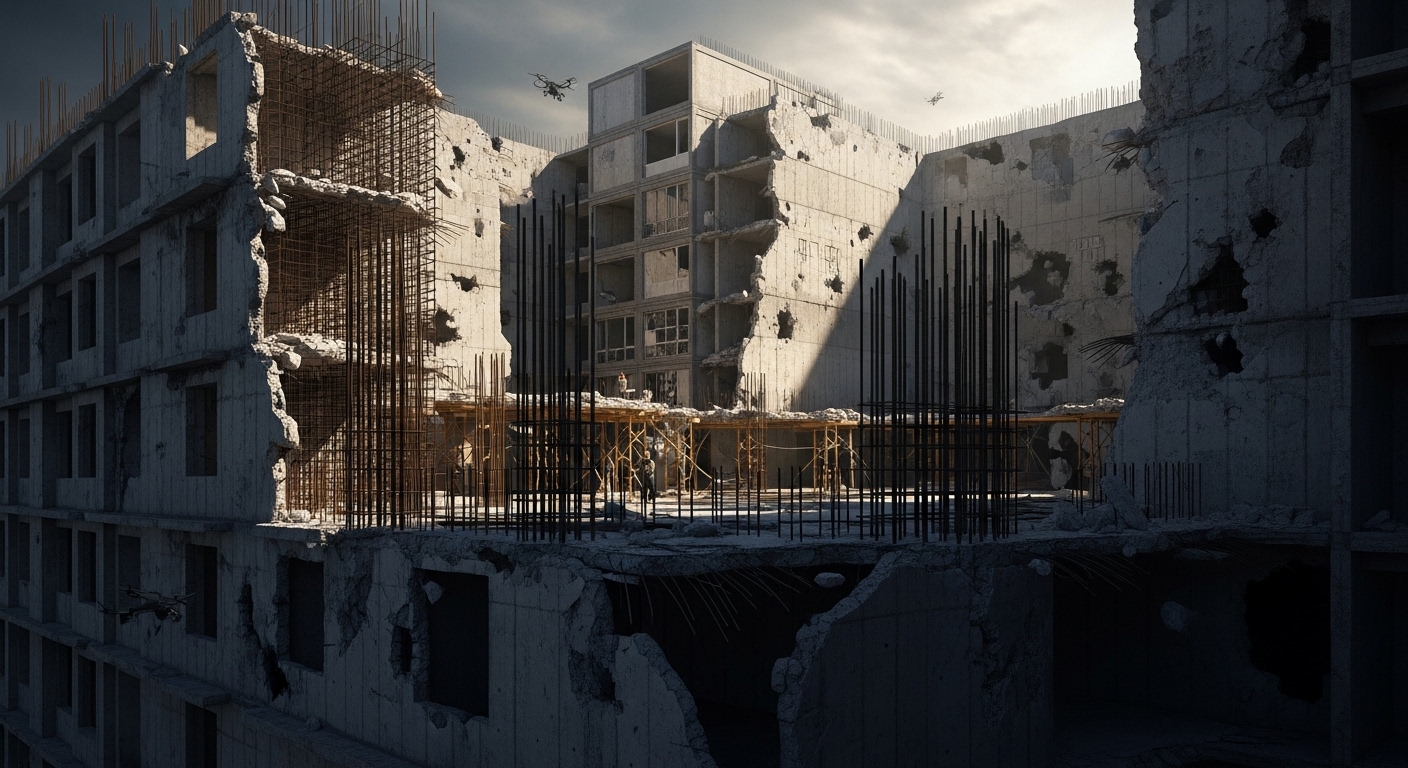
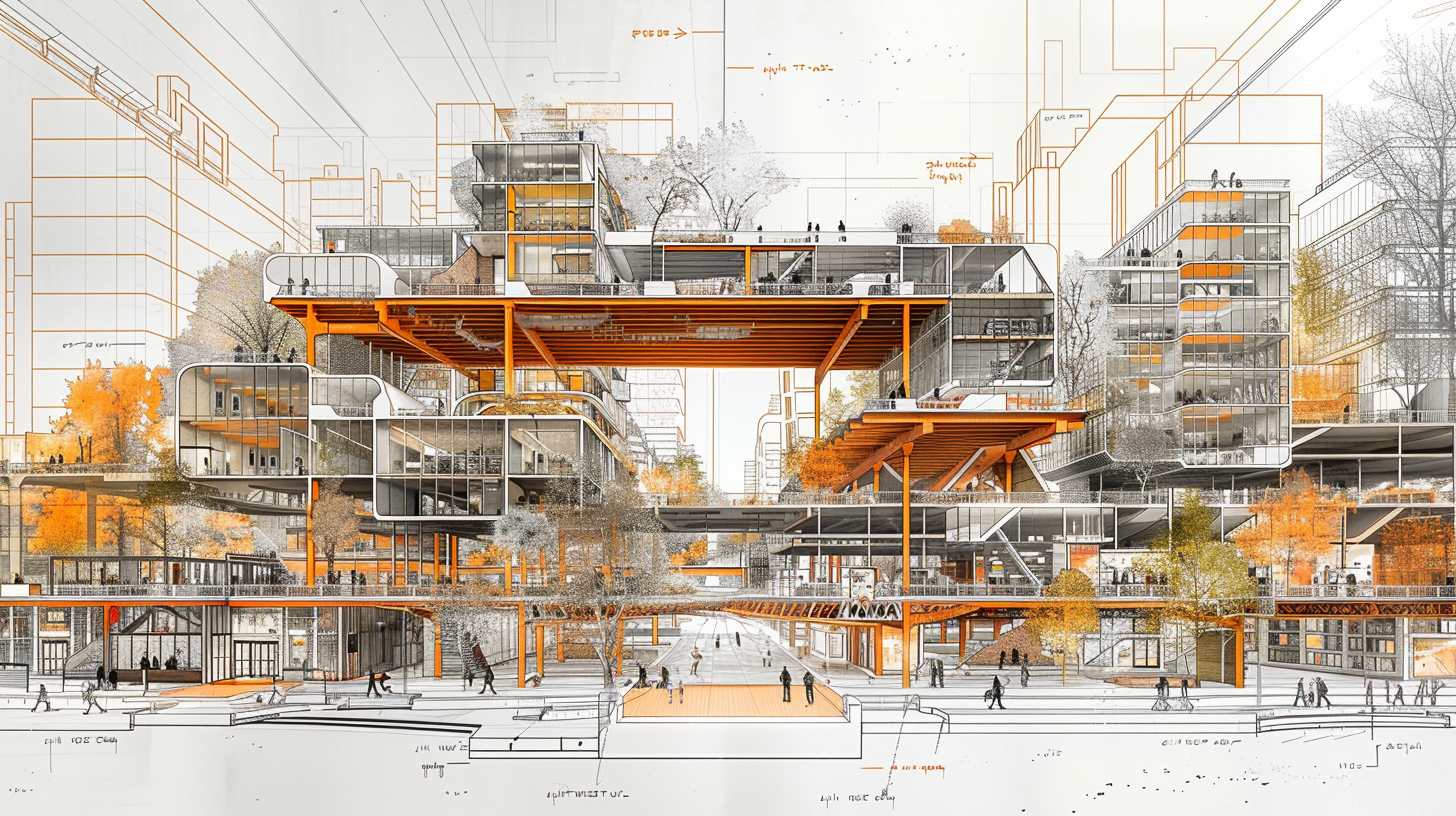
explore Our work

Check out some of the amazing projects we’ve helped bring to life

Can a Postwar Reconstruction City Become a “Future City”? Five Conditions for Sustainable Urban Transformation

Postwar reconstruction cities often achieved rapid, resilient growth under conditions of extreme scarcity and institutional disruption. This paper asks whether the underlying logic of postwar recovery can be translated into contemporary “future city” agendas—those centered on decarbonization, resilience, inclusivity, and digital infrastructure. Building on historical reconstruction experiences and policy literatures, the paper proposes five conditions that enable a reconstruction city to evolve into a future city: (1) infrastructure that shifts from capacity restoration to redundancy and upgradability; (2) housing policy designed as a platform for livelihood recovery rather than a narrow supply metric; (3) industrial revival reframed from factory restart to the reconfiguration of an urban industrial ecosystem; (4) institutional design that produces decision-making speed while maintaining transparency and legitimacy; and (5) culture as an operating system for urban identity, return migration, and long-term investment. The argument emphasizes “simultaneous design” across these five axes:
Reconstruction and the Cityscape: Why It Matters to Debate “Beauty” in a Broken City

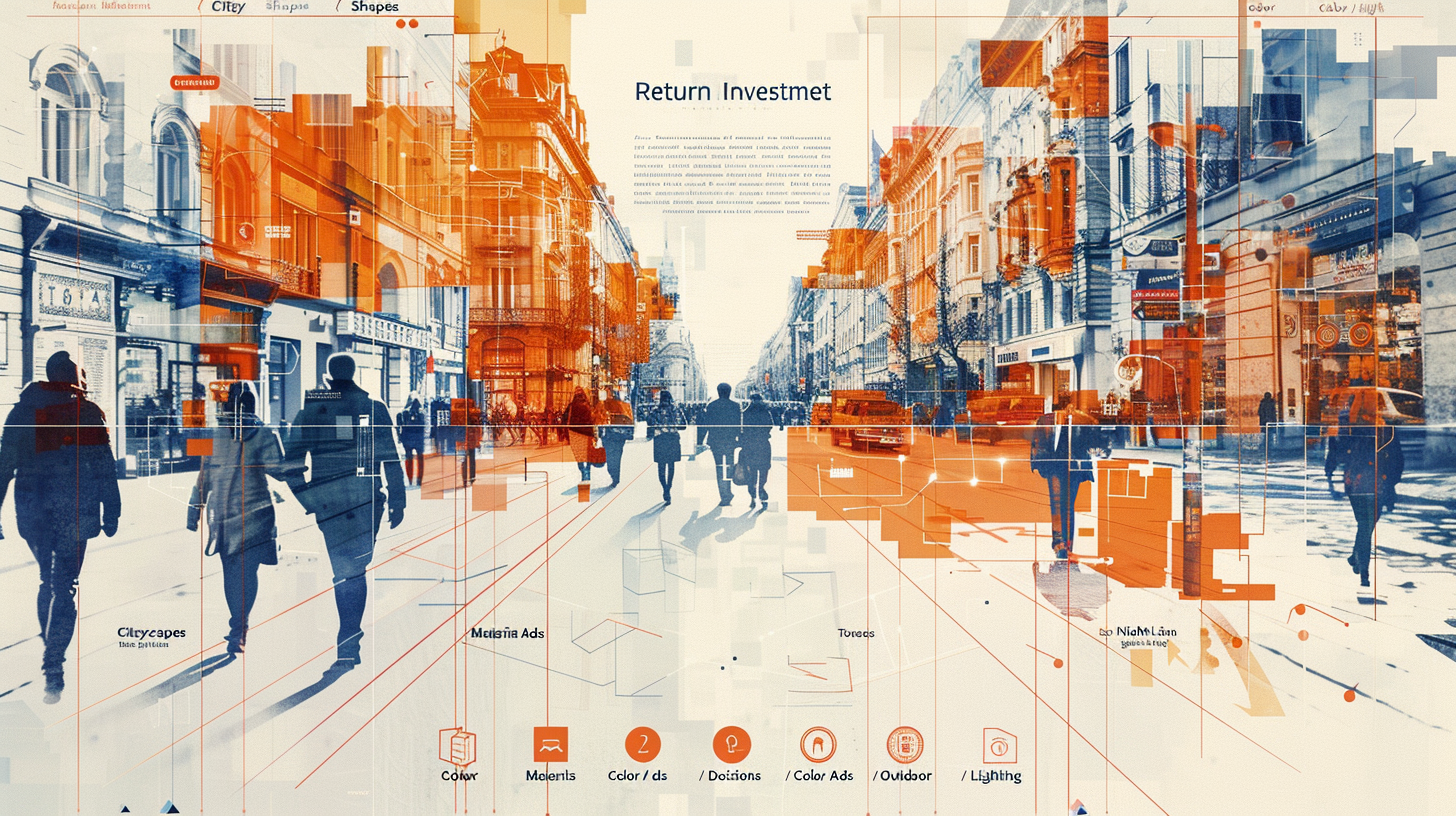
In post-war and post-disaster reconstruction, lifeline systems—water, electricity, transport, housing, medical care, and security—naturally dominate priorities, while cityscape design is often framed as a luxury. This article argues that cityscape is better understood as decision infrastructure: an operable set of spatial rules that reduces uncertainty for returning residents and prospective investors. Drawing on post-war urban reconstruction patterns, the article identifies three strategic models: symbolic-axis reconstruction (e.g., Hiroshima), historic reconstruction (e.g., Warsaw’s Old Town), and modern renewal (e.g., Rotterdam’s pedestrian retail core). Across these models, cityscape affects return decisions by strengthening perceived safety, civic dignity, and a believable outlook for daily life, while it affects investment decisions by making regulatory expectations legible and improving prospects for footfall, dwell time, and revenue. The article then moves from theory to implementation, proposing an operable toolkit across four domains—color ranges, material criteria, outdoor advertising governance, and layered night lighting—organized by reconstruction phases (emergency, transitional, permanent). Rather than treating “beauty” as ornament, the article frames it as urban dignity and predictability: an ethical-operational framework that enables forward movement while carrying loss.

“Reconstruction without erasing history” – Balancing the inheritance of memories and redevelopment

Postwar reconstruction often treats speed as virtue: clear debris, re-grid streets, restore utilities, and deliver housing as quickly as possible. Yet the fastest method—tabula rasa clearance—can erase the very cues through which a city remembers itself: parcel lines, street traces, scars, and the accumulated routines of everyday life. When those cues disappear, the rebuilt city risks becoming interchangeable, a “city that could be anywhere.” This article reframes “reconstruction without erasing history” not as a binary choice between preservation and redevelopment, but as a design practice of editorial distribution—allocating memory across multiple media so it can survive inevitable urban updates. Three strategies are presented as an actionable design language.

watiaLAB – What we Do

watiaLAB
Post-war Reconstruction × Smart Green Engineering × Future Architecture
Engineering-driven research on how architecture will be built in the next 20 years.