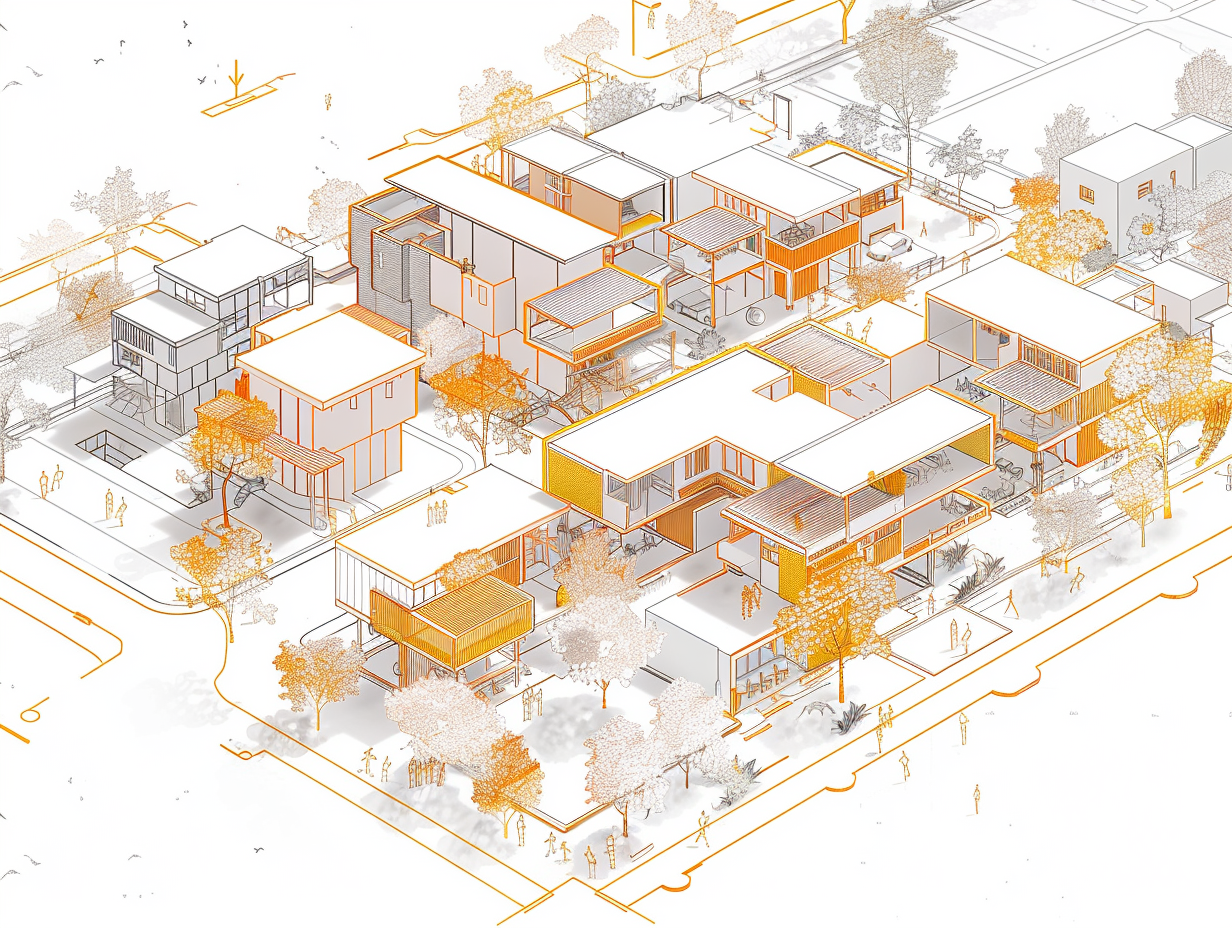
This manuscript argues that postwar reconstruction succeeds only when everyday movement is restored, not merely when housing units are delivered. “Temporary urbanism” tends to become long-term because infrastructure recovery, land rights clarification, and formal urban planning (roads, land readjustment, zoning) progress at different speeds. The result is a gap between where people must live now and the future city that plans assume. To close that gap, the paper reframes emergency shelters, temporary housing sites, and the transition to permanent neighborhoods as a single mobility system: a designed sequence of routes and nodes that keeps schooling, healthcare, shopping, work, and administrative services connected throughout rebuilding.
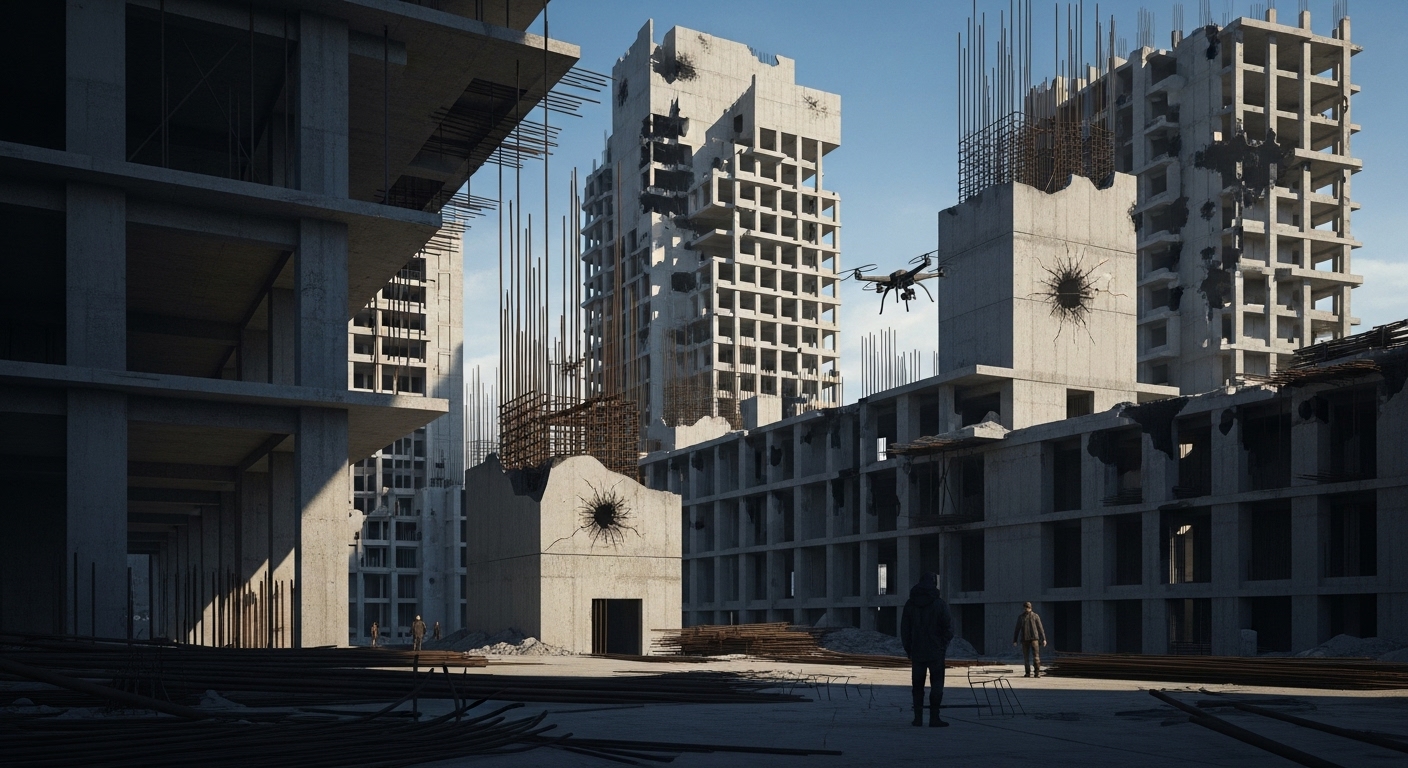
The core proposal is a layered phase design. Phase A treats shelters as urban nodes rather than mere sleeping spaces. Once a crisis extends beyond days, shelters must concentrate services—medical outreach, paperwork for benefits and identity documents, logistics for food and fuel, and reliable information—so residents can navigate recovery without repeated travel burdens. Phase B begins temporary housing planning by defining a viable “life radius” before drawing unit layouts. Walkable access to school, clinics, and basic retail, plus safe last-mile transport options, prevents temporary sites from becoming isolated islands that trap residents in prolonged dependency. Phase C acknowledges that permanent reconstruction is rarely linear; housing recovery and backbone infrastructure advance at different tempos. Therefore, relocation must be staged (progressive occupancy) so that temporary life patterns can slide smoothly into permanent urban structure.
Five design principles translate this into actionable planning: (1) Secure three trunk routes first—school commuting, medical access, and purchasing of essentials—because these repeated trips determine whether daily life can resume. (2) Place key nodes (education, care, retail, administration) so they can be “temporarily installed and progressively permanent,” avoiding repeated rebuilding of social infrastructure. (3) Prioritize continuity over speed in transport: dependable shuttles, safe stops, and predictable schedules matter more than rapid restoration of full networks. (4) Restart commerce early through temporary markets, mobile vendors, and hybrid distribution, since buying routes also regenerate jobs, safety, and community. (5) Never allow temporary housing to become a dead-end; it must connect to the city’s main corridors so residents can transition without losing their life networks.

Historical postwar cases illustrate the point. In Japan, large-scale reconstruction planning and land readjustment could reorganize streets and plots, yet residents often lived in improvised arrangements while plans matured; without interim nodes and routes, “planning success” could still feel like lived stagnation. Britain’s mass prefabricated programs show how temporary accommodation can be institutionalized to absorb time lags—effective only when paired with reachable services. German rubble-cities highlight an even earlier prerequisite: creating “passable streets” for people and supplies before architectural ideals. Across contexts, the same metric emerges: the recovery of regular, reliable trips. Designing those trips, from shelter to permanence, is the missing bridge between relief and reconstruction.
Reference (main)
- National Archives of Japan. (n.d.). 戦災復興のための特別都市計画法(昭和21年9月制定)
- Japan Center for Asian Historical Records. (n.d.). 特別都市計画法律案要綱(戦災復興院)