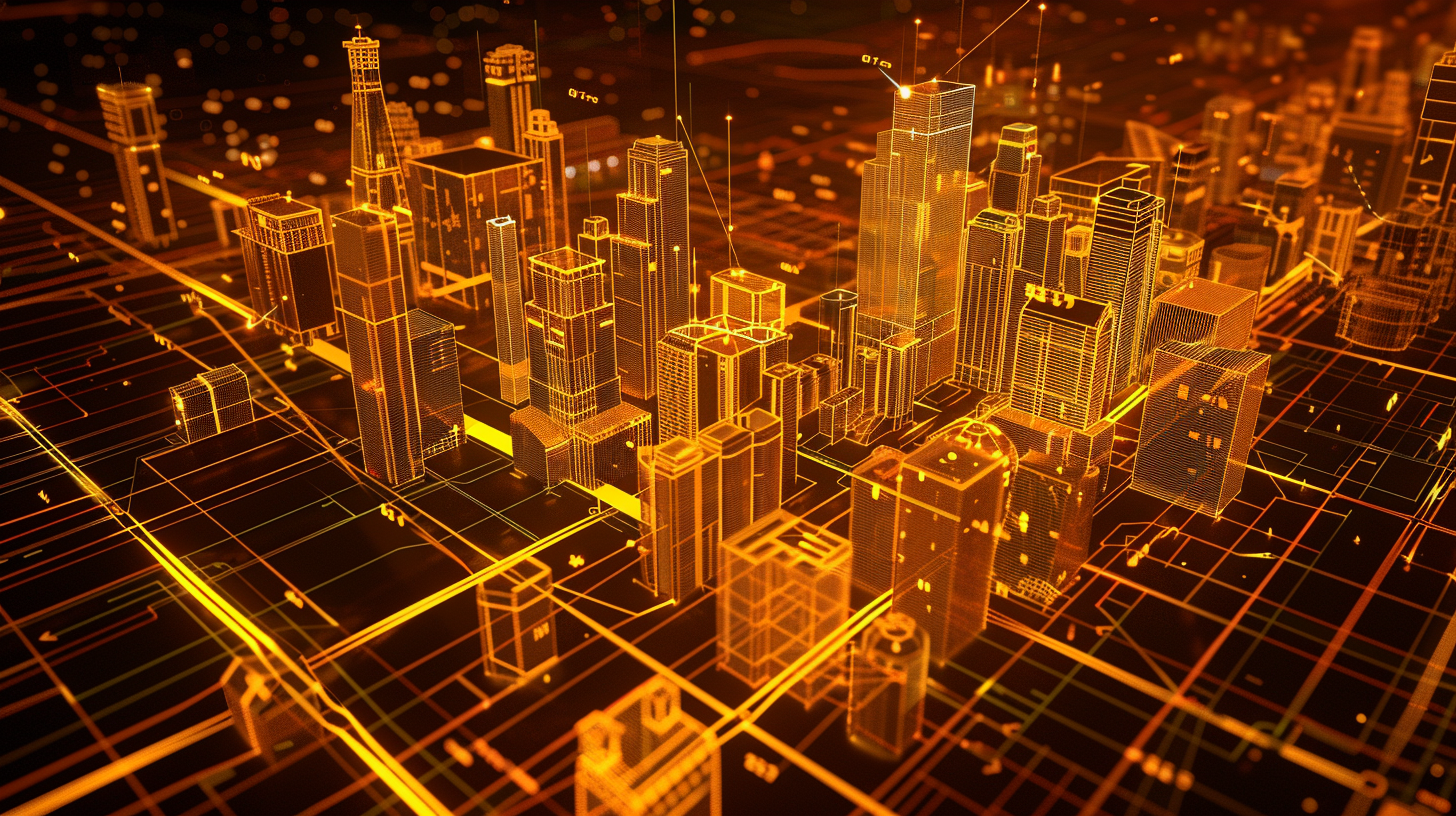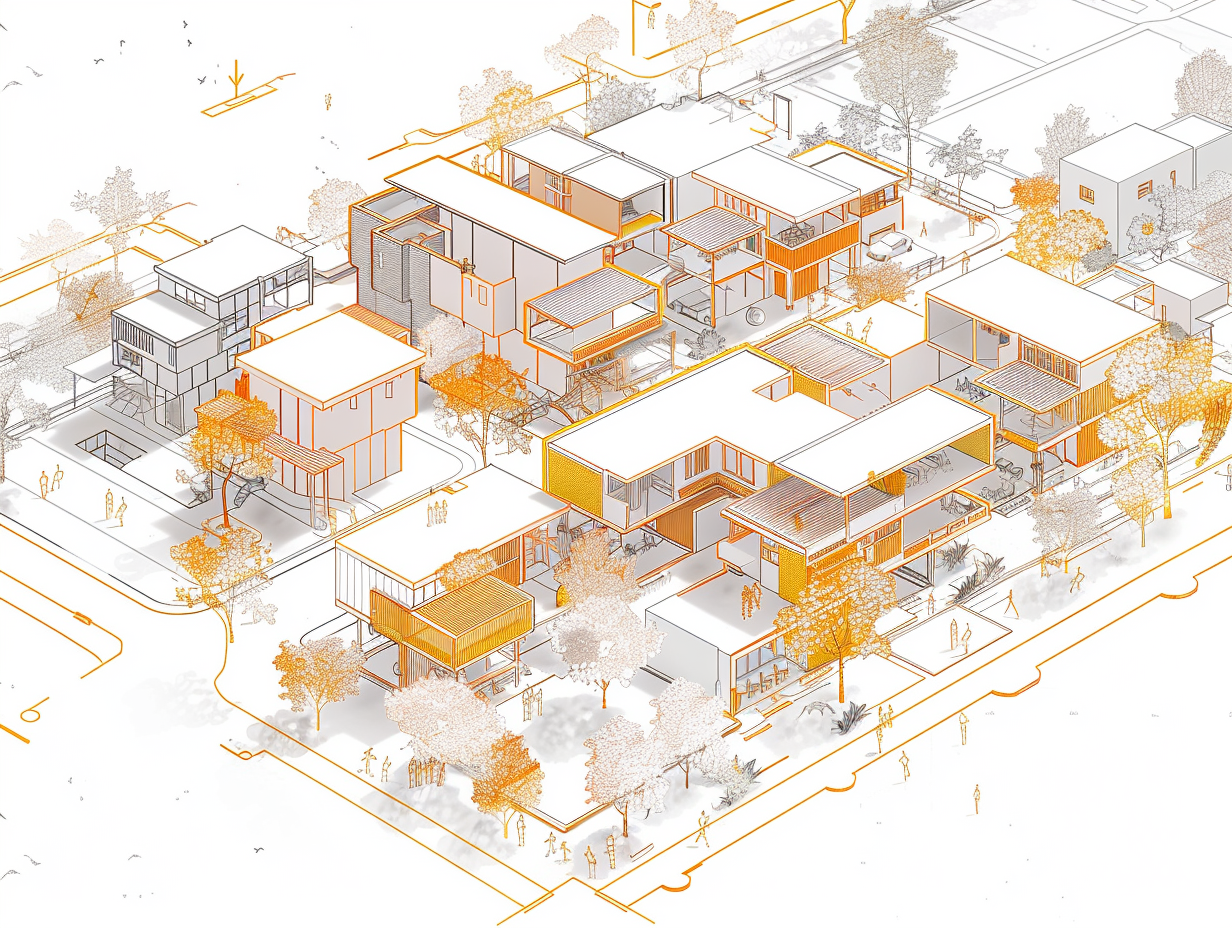
Rapid clearance and tabula-rasa rebuilding often appear to be the fastest route to recovery after war or catastrophe. Yet the quicker a city becomes “clean,” the more easily it loses the narratives, identities, and ethical commitments that make it legible to residents and intelligible to history. This article argues that postwar redevelopment can retain urban identity by treating memory not as sentiment but as a design language—an operational grammar expressed through space, institutions, and everyday use. Through a comparative reading of Hiroshima, Nagasaki, and Berlin, the paper identifies recurring spatial and governance patterns that translate remembrance into durable urban form. Hiroshima demonstrates how an irreplaceable remnant can function as a “central term” in the city’s syntax when embedded within a civic spatial framework and supported by explicit legal-institutional purpose, reinforced by international heritage recognition. Nagasaki foregrounds remembrance as a practiced civic ritual, where symbolic form and ceremonial use integrate commemoration into daily urban life rather than isolating it as a static object. Berlin offers a complementary model: the material and spatial logic of division is preserved not only as a point monument but as a line and field condition, enabling learning through walking, sequencing, and interpretive infrastructure that evolves over time. Synthesizing these cases, the article proposes five transferable principles: define a “memory core,” weave it into everyday circulation, stabilize intent through policy, operationalize learning and ritual, and deploy digital tools as annotation rather than replacement. Together, these principles connect remembrance to future-oriented urbanism without sacrificing meaning.
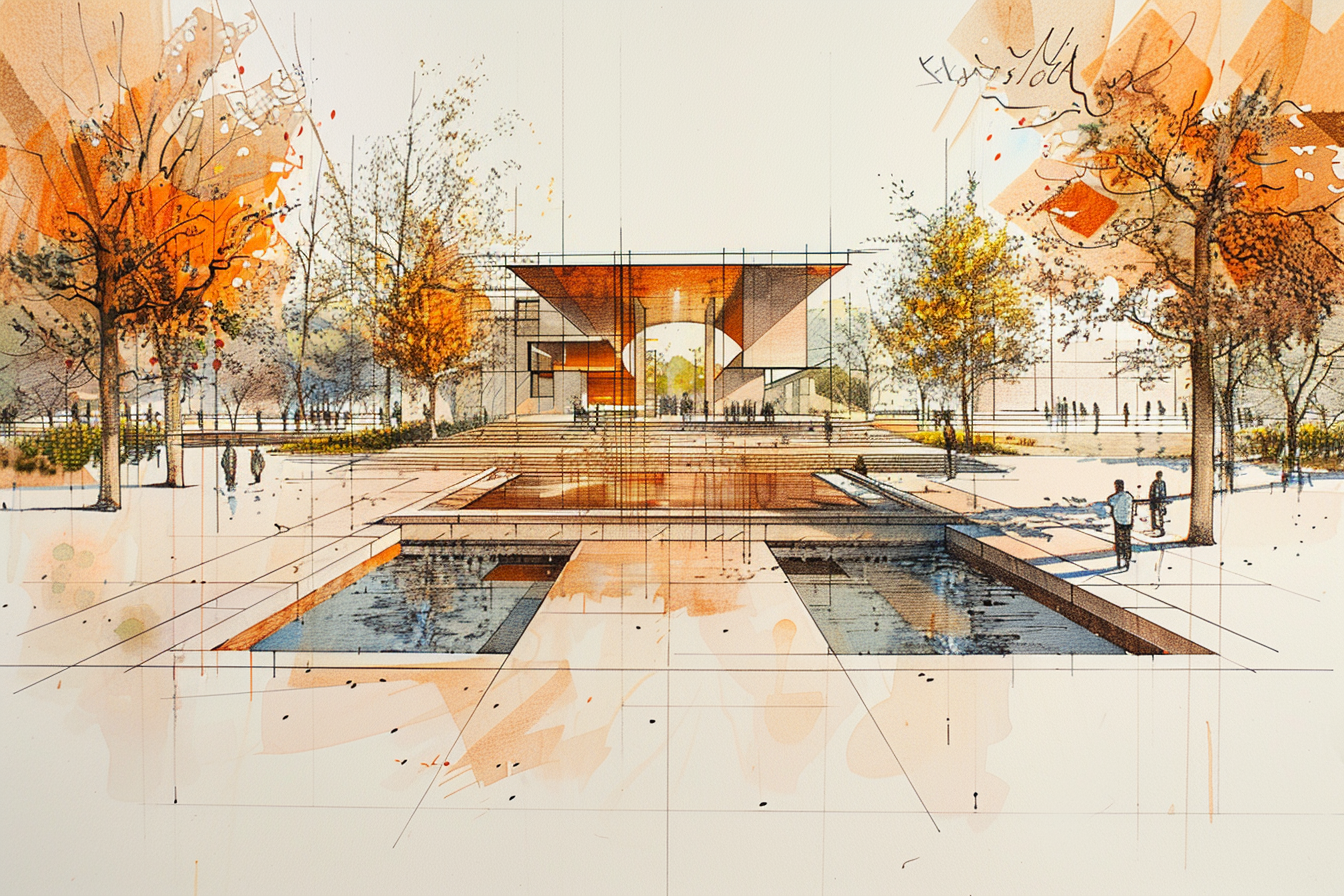
1. Introduction
In post-disaster or postwar contexts, speed is often treated as virtue: remove rubble, restore services, and rebuild quickly. However, accelerated clearance can unintentionally erase the spatial evidence that anchors collective memory. The result may be an efficient city that is existentially thinner—less able to explain itself, mourn, teach, or maintain civic continuity.
This article reframes “memory” as a design language: a set of repeatable rules that can be implemented through spatial planning, institutional commitments, and long-term operations. The aim is not to freeze a city in grief, but to ensure redevelopment remains accountable to history while still enabling innovation and future growth.
2. Hiroshima: Making a Remnant the City’s “Central Term”
Hiroshima’s Atomic Bomb Dome demonstrates a critical move: the remnant is not treated as a peripheral artifact but as a structural element in the city’s spatial grammar. Its preservation—recognized as a World Heritage property—stabilizes its status beyond municipal preference and connects local memory to a global discourse on war, heritage, and responsibility (UNESCO World Heritage Centre, n.d.).
Equally important is the alignment between space and institutional intent. Hiroshima’s self-definition as a “City of Peace” functions as a policy anchor, making remembrance a formal urban purpose rather than a temporary mood (City of Hiroshima, n.d.). In design-language terms, Hiroshima shows how memory can become (a) a clearly defined core, (b) embedded within a civic spatial framework, and (c) protected by governance structures that outlast political cycles.
3. Nagasaki: From Static Monument to Ritualized Urban Practice
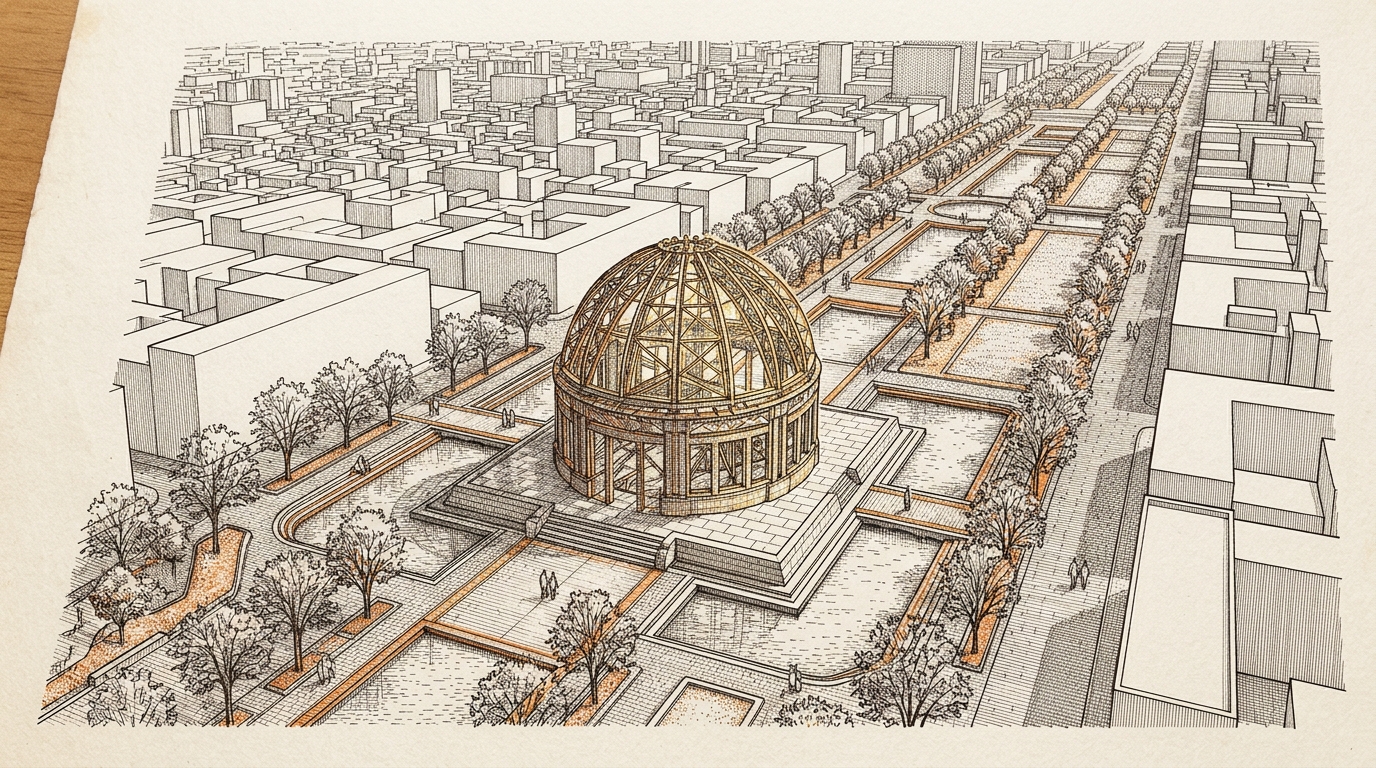
Nagasaki’s Peace Park illustrates a different emphasis: remembrance as use. The site is not merely visited; it is enacted through ceremonies, annual rhythms, and interpretive traditions that keep meaning active rather than archival (Nagasaki Peace Culture Foundation, 2021).
The Peace Statue operates as an interpretable symbol—a legible “urban sign” that invites shared reading rather than private contemplation alone. This model suggests that the durability of memory depends not only on preserving objects, but also on designing ritual infrastructure: calendars, educational pathways, and civic practices that repeatedly re-author the meaning of place.
4. Berlin: Preserving the Seam as Line, Field, and Pedagogy
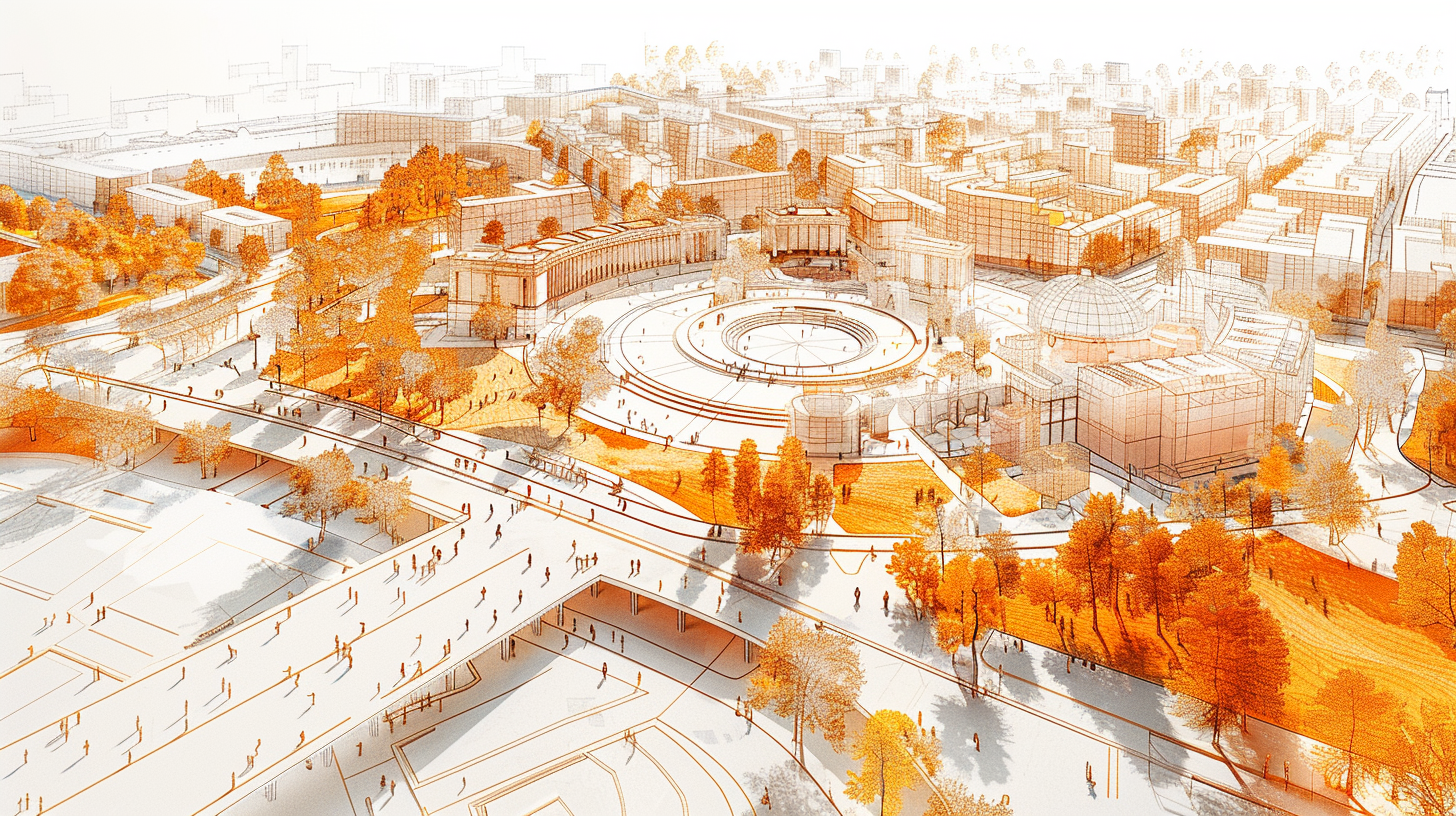
Berlin’s approach expands the idea of memory from point monuments to linear and areal traces. At the Berlin Wall Memorial, segments and spatial logics of the former border are preserved so that visitors can understand how the boundary functioned as an apparatus, not merely as a symbol (Berlin.de, n.d.; Stiftung Berliner Mauer, n.d.). Memory becomes experiential and sequential: learning occurs through walking, distance, and spatial contrast.
Berlin also demonstrates the importance of updatable interpretive systems. Visitor centers, documentation, and exhibitions are expanded and revised over time, acknowledging that public understanding changes and that memory work requires maintenance, not one-time construction (Stiftung Berliner Mauer, n.d.). Similarly, the Topography of Terror—built on a historically charged site—layers documentation with spatial presence to make political violence legible without aestheticizing it (Topography of Terror Foundation, n.d.).
5. Five Principles for a “Memory-Preserving” Redevelopment Language
Synthesizing the cases, five transferable principles emerge:
- Define a memory core early
Decide what must remain: a remnant, a void, a trace line, or a boundary field. - Weave memory into everyday circulation
Avoid isolating memory as a tourist enclave; place it within commuting, schooling, and daily routes. - Stabilize intent through policy and institutions
Codify purpose so it survives leadership changes, funding cycles, and market pressure. - Operationalize ritual and learning
Design not only space but programs: ceremonies, school partnerships, guided interpretation, and periodically updated exhibitions. - Use technology as annotation, not overwrite
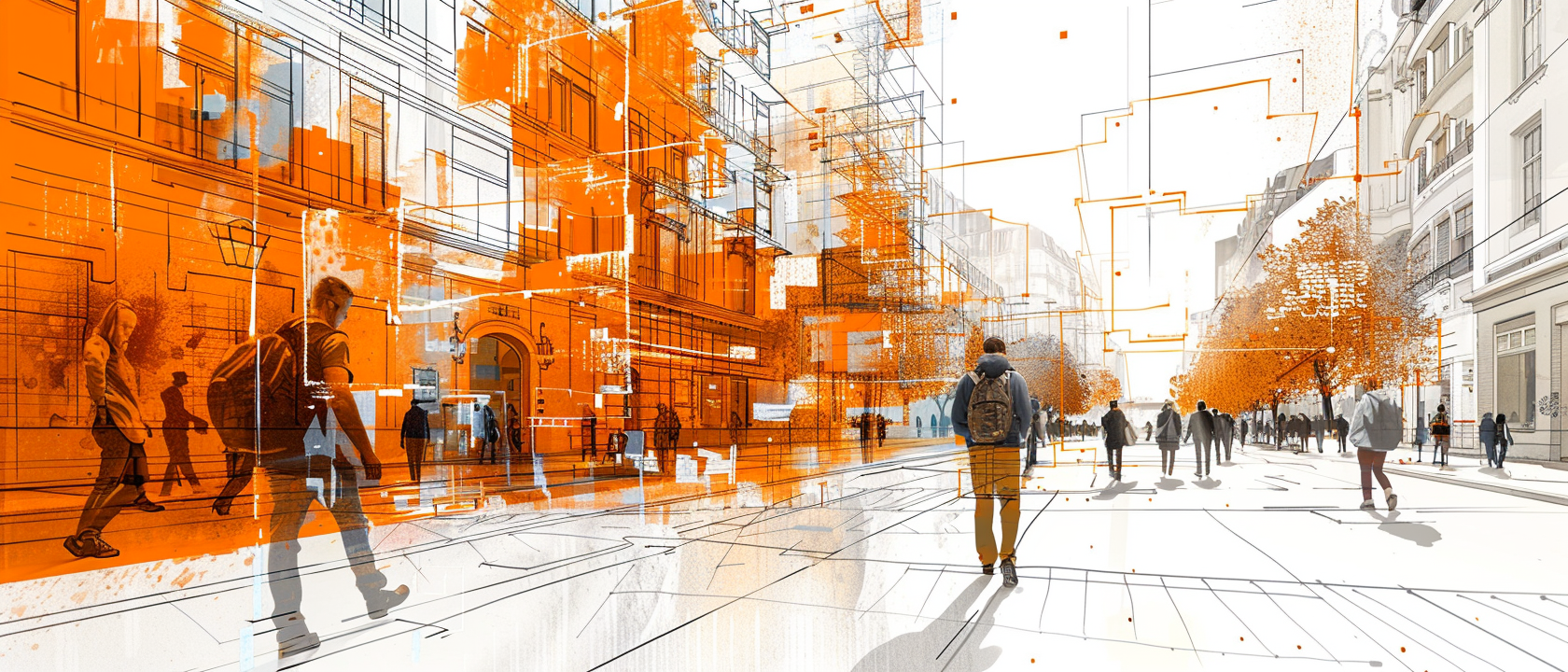
AR, digital archives, and digital twins work best as “footnotes in space”—adding layers of understanding without replacing physical traces.
6. Conclusion
Tabula-rasa redevelopment can restore function quickly, but often at the cost of meaning. Hiroshima shows how a preserved core can become the city’s “central term” when backed by institutions and international recognition. Nagasaki demonstrates remembrance as civic practice embedded in daily life. Berlin presents memory as a seam—lines and fields that teach through movement and evolving interpretation.
A future-oriented city is not defined only by advanced infrastructure, but by its capacity to update responsibly—keeping visible the histories it inherits while building the systems it needs.
Reference (main)
Berlin.de. (n.d.). Berlin Wall Memorial (Gedenkstätte Berliner Mauer).
City of Hiroshima. (n.d.). Peace Memorial City Construction Law / Hiroshima as a city of peace (English pages).
Nagasaki Peace Culture Foundation. (2021). Peace Park (historical overview / related materials) .
Stiftung Berliner Mauer. (n.d.). Berlin Wall Memorial: Historical site and memorial.