
explore Our work

Check out some of the amazing projects we’ve helped bring to life

What Numbers Does Recovery Need? Visualizing Urban Recovery Through KPIs

Post-conflict or post-disaster reconstruction is often declared complete once roads reopen and buildings are rebuilt, yet daily life may remain fragile. This article proposes a practical KPI (key performance indicator) framework to “make recovery visible” for citizens and decision makers. Building on internationally recognized monitoring approaches—such as

Postwar Housing Shortages and Today’s Akiya Crisis in Japan: From “Not Enough” to “Too Much,” and Back to Designable Living

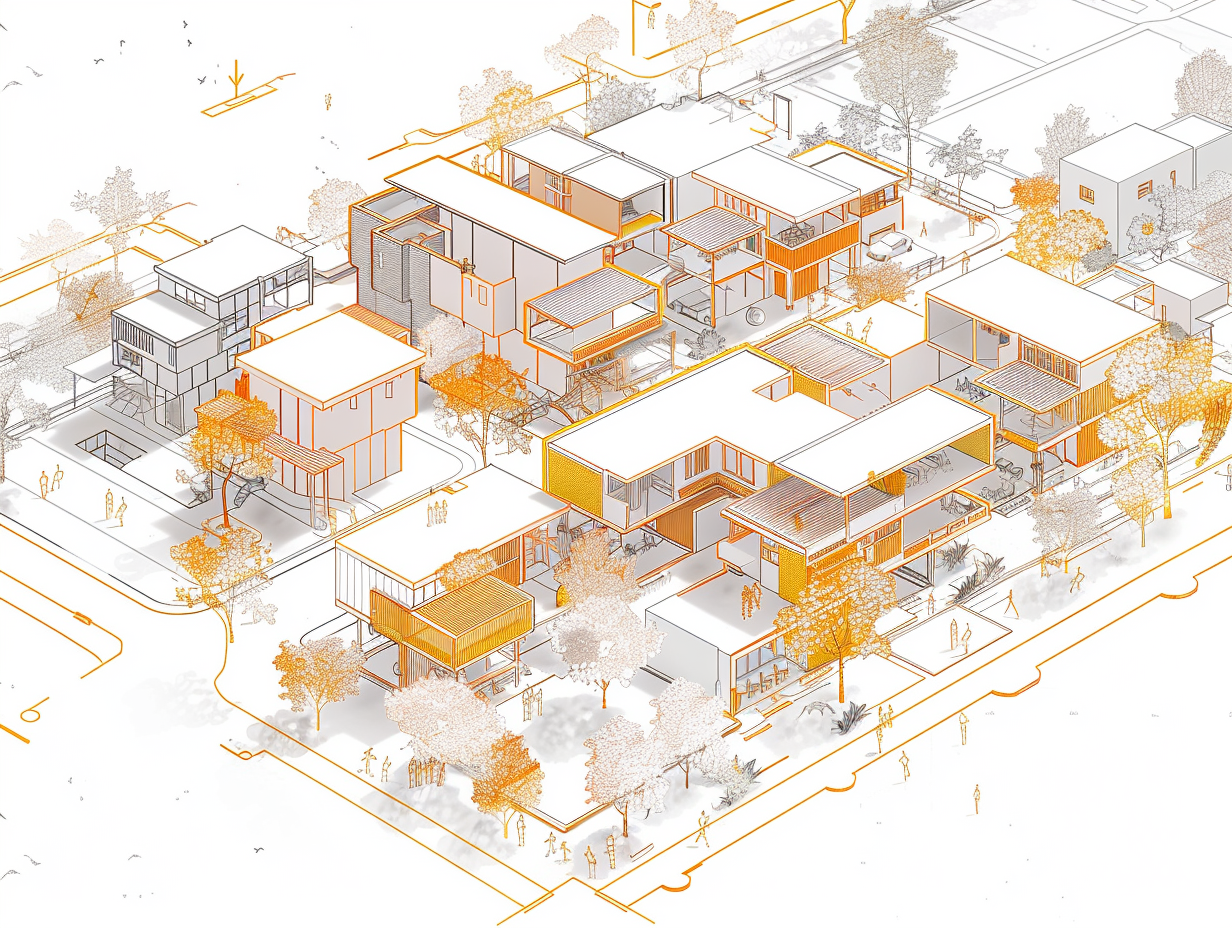
In the immediate post–World War II period, war damage, evacuation-related demolition, and repatriation generated an estimated net shortage of roughly 4.2 million dwellings nationwide, creating a political imperative to maximize supply as quickly as possible. Government responded by institutionalizing a “build-more” paradigm through direct provision and finance—public housing, public corporation development, and

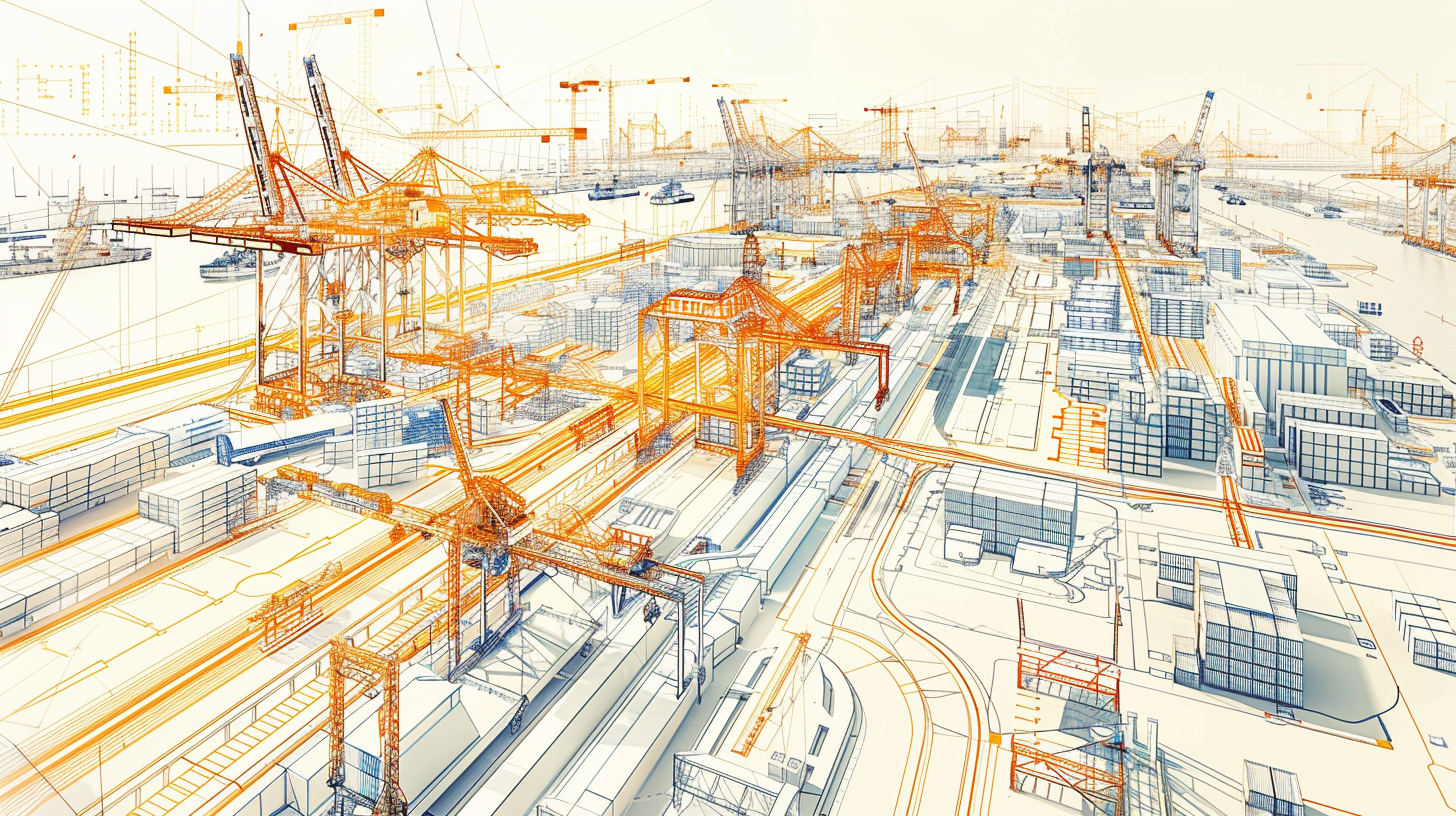
Logistics as the Weak Link in Reconstruction: Designing Cities Where Supplies Arrive

Yet field evidence from major disasters shows that the decisive bottleneck is logistics: the ability to restore continuous flows of relief supplies, fuel, medical goods, construction materials, skilled labor, and operational information. When these flows stall, debris removal, temporary housing, and permanent rebuilding all slow or stop. This article reframes logistics as core urban infrastructure and