
insights

Academy insights and articles written by our team of world-class professionals

What Numbers Does Recovery Need? Visualizing Urban Recovery Through KPIs

Post-conflict or post-disaster reconstruction is often declared complete once roads reopen and buildings are rebuilt, yet daily life may remain fragile. This article proposes a practical KPI (key performance indicator) framework to “make recovery visible” for citizens and decision makers. Building on internationally recognized monitoring approaches—such as

Read more >

Postwar Housing Shortages and Today’s Akiya Crisis in Japan: From “Not Enough” to “Too Much,” and Back to Designable Living

In the immediate post–World War II period, war damage, evacuation-related demolition, and repatriation generated an estimated net shortage of roughly 4.2 million dwellings nationwide, creating a political imperative to maximize supply as quickly as possible. Government responded by institutionalizing a “build-more” paradigm through direct provision and finance—public housing, public corporation development, and

Read more >

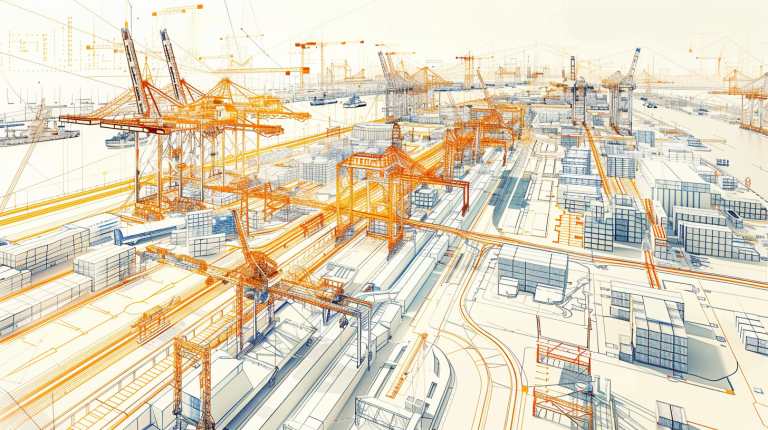
Logistics as the Weak Link in Reconstruction: Designing Cities Where Supplies Arrive

Yet field evidence from major disasters shows that the decisive bottleneck is logistics: the ability to restore continuous flows of relief supplies, fuel, medical goods, construction materials, skilled labor, and operational information. When these flows stall, debris removal, temporary housing, and permanent rebuilding all slow or stop. This article reframes logistics as core urban infrastructure and

Read more >

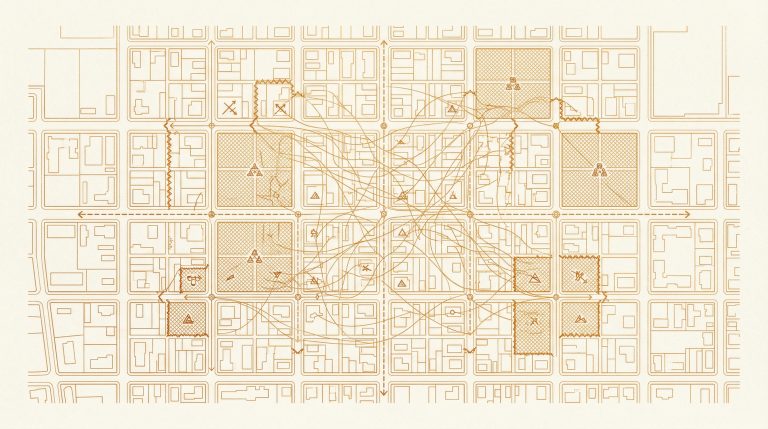
Why Postwar Reconstruction Consensus Is So Difficult: Mapping Conflict Points

Postwar reconstruction is often framed as a technical project—restoring damaged infrastructure and rebuilding housing—yet its most persistent bottlenecks are political and legal. In practice, reconstruction frequently requires the reconfiguration of property rights, land boundaries, compensation rules, and relocation pathways. These issues are difficult not because stakeholders are irrational, but because reconstruction decisions produce

Read more >

From Rubble to Smart Cities: Three Lifeline Infrastructures to Restore First

Post-disaster recovery is often discussed as an engineering sequence—clear debris, repair assets, and rebuild. In practice, recovery succeeds or fails based on how quickly essential services return and how well interdependencies are managed across sectors. This paper reframes early reconstruction as the stabilization of three “lifeline” infrastructures—water, power, and transportation—treated not as isolated facilities but as service systems with measurable performance targets. Drawing on the “Community Lifelines” construct promoted in

Read more >

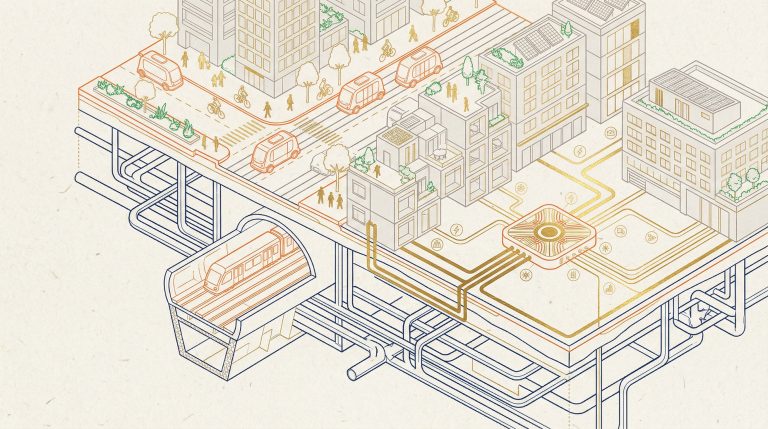
Smart Cities from the Rubble: Three Lifeline Infrastructures to Rebuild First

Post-war reconstruction (and large-scale post-disaster recovery) begins less with visionary urban form than with the restoration of continuity: people must be able to drink safe water, rely on stable power, and reach hospitals, markets, and jobs. This article argues that these three lifeline infrastructures—water and sanitation, electricity, and transport—also constitute the most practical “sequence” for building a future-oriented smart city. The key is

Read more >

ready to take your business to the next level?

Get in touch today and receive a complimentary consultation.